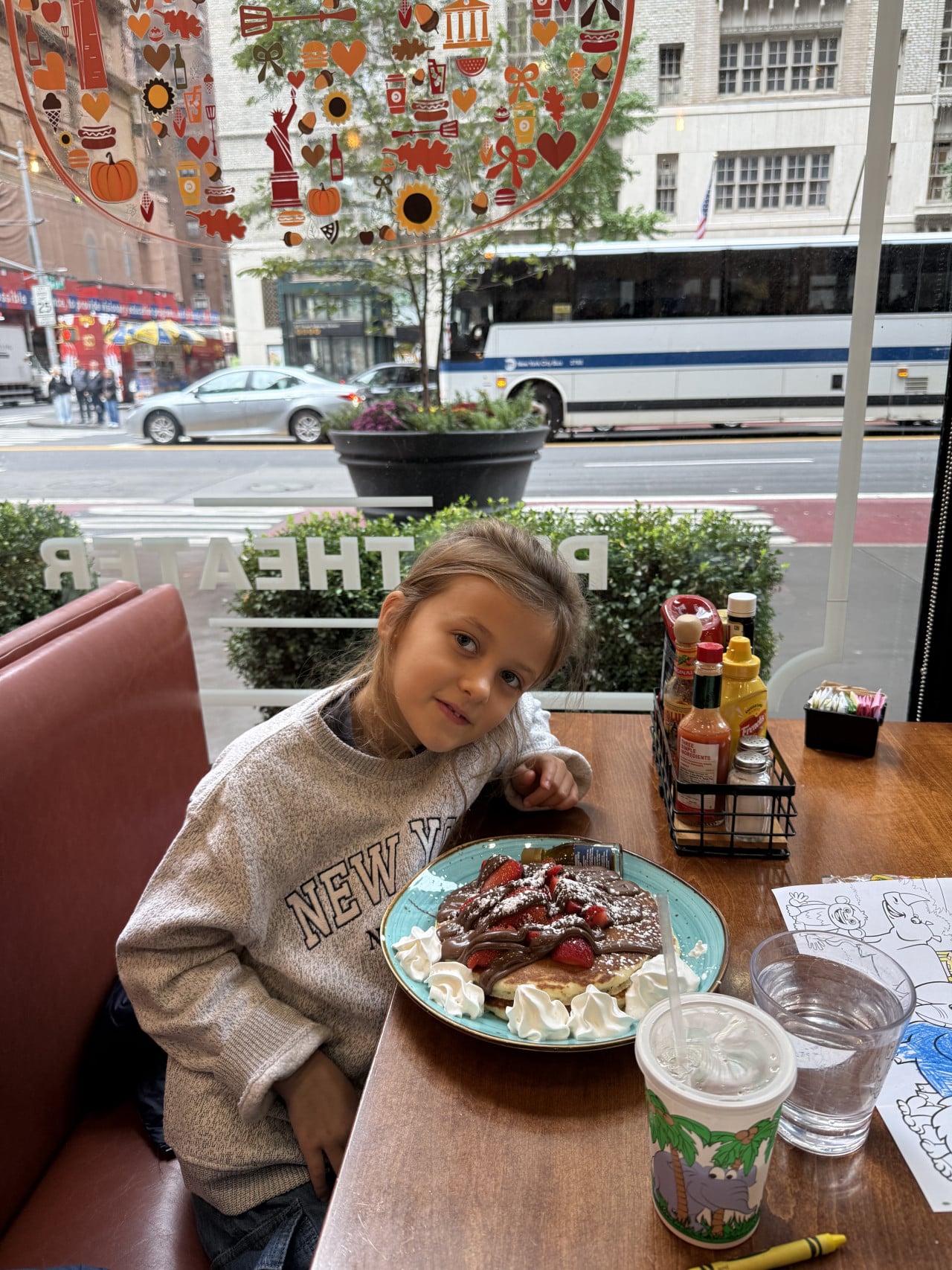
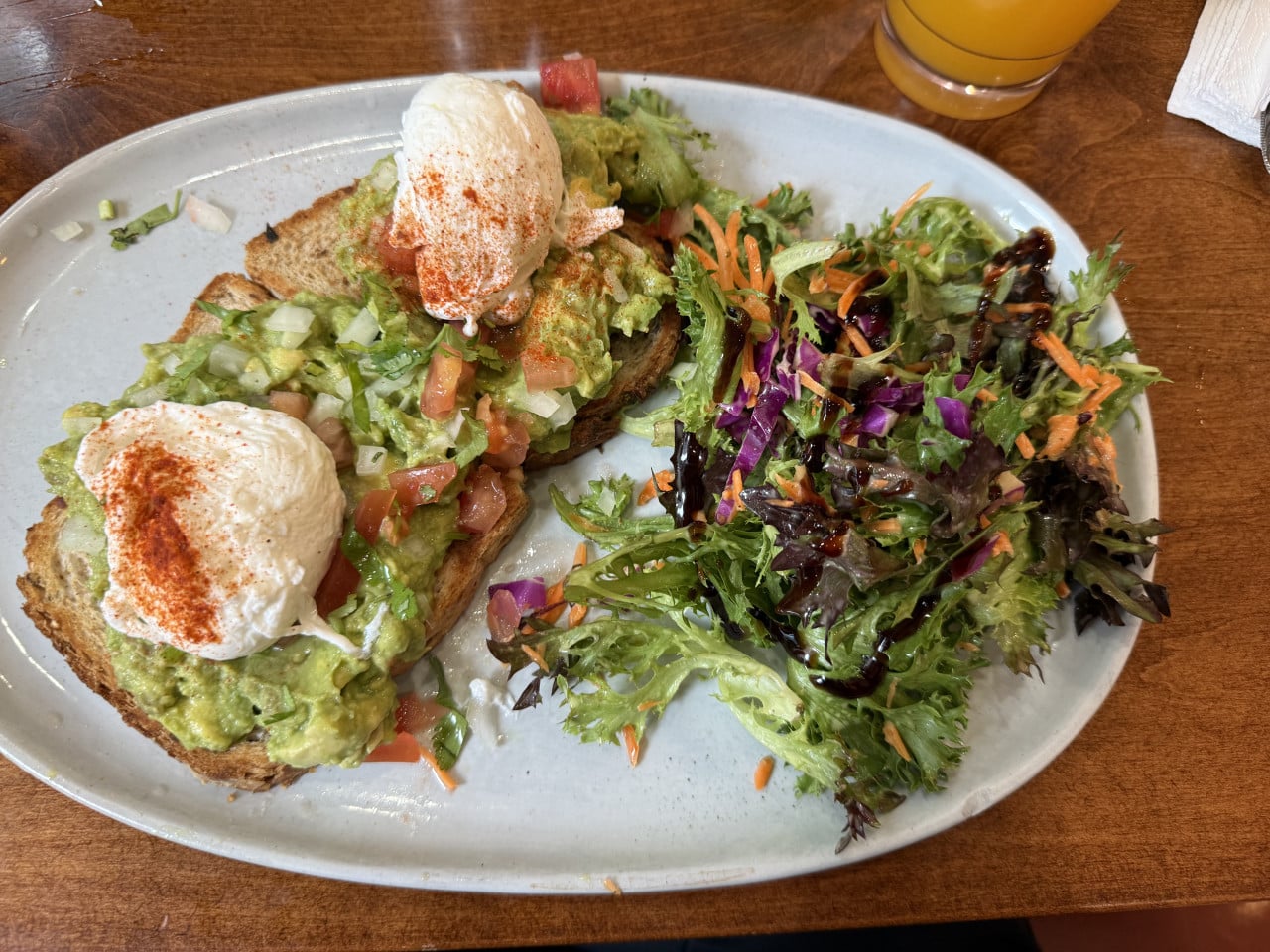
The next day – our second day in New York – we started in classic American style. In the morning, we found a little local café in Manhattan that served breakfast and lunch, and stopped by for something tasty. I had avocado toast with eggs and salad, while my daughter chose pancakes with strawberries and whipped cream – simply a typical New York breakfast that gives you enough energy to walk around all day.
After breakfast, we continued toward Downtown Manhattan, specifically to the 9/11 Memorial – a place that embodies one of the most tragic chapters in modern American history.
What Happened on September 11, 2001
On September 11, 2001, the terrorist organization al-Qaeda carried out a coordinated attack on the United States of America. Nineteen terrorists hijacked four commercial airliners. Two of them crashed into the North and South Towers of the World Trade Center in Lower Manhattan. The third plane struck the Pentagon in Virginia, while the fourth – United Airlines Flight 93 – crashed into a field near Shanksville, Pennsylvania, after the passengers attempted to wrest control of the aircraft from the terrorists.
Both Twin Towers, which at the time were among the tallest buildings in the world (the North Tower stood 417 meters tall and the South Tower 415 meters), collapsed after being struck and subsequently catching fire. Around 50,000 people worked in the World Trade Center complex every day, with tens of thousands more visiting it. A total of 2,977 people were killed in the attacks – civilians, firefighters, police officers, emergency responders, and passengers aboard the planes. It was the deadliest terrorist attack in the history of the United States.
Clearing the debris and identifying the victims took nearly a year. The site where the towers had stood became known as Ground Zero and came to symbolize not only tragedy, but also the resilience and determination of the entire city.
9/11 Memorial – Where the Towers Once Stood
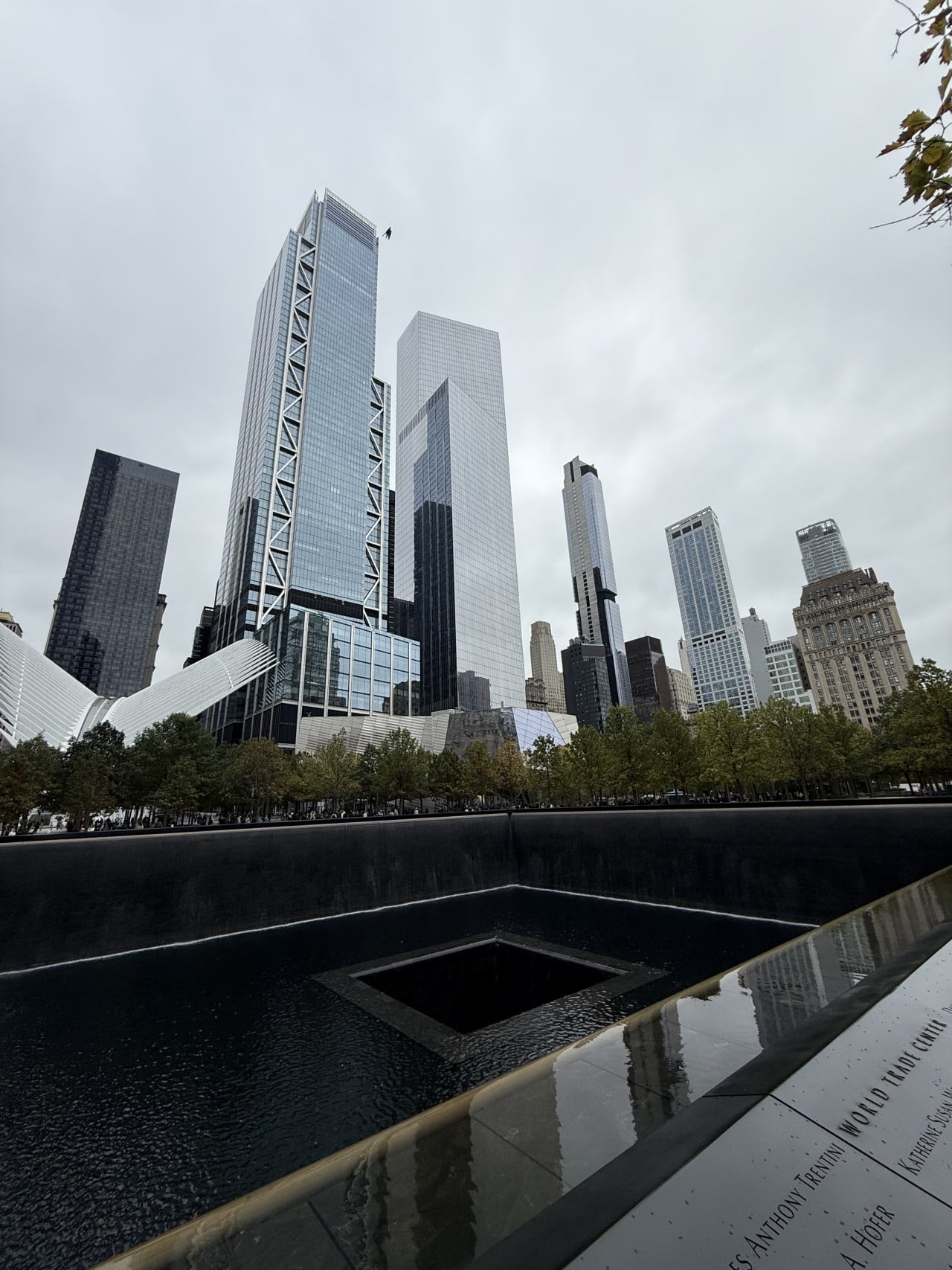
The memorial was officially opened on September 11, 2011, exactly ten years after the attacks. It was designed by architects Michael Arad and Peter Walker, who won an international competition with a proposal called Reflecting Absence. More than 5,200 designs from 63 countries around the world were submitted to the competition.
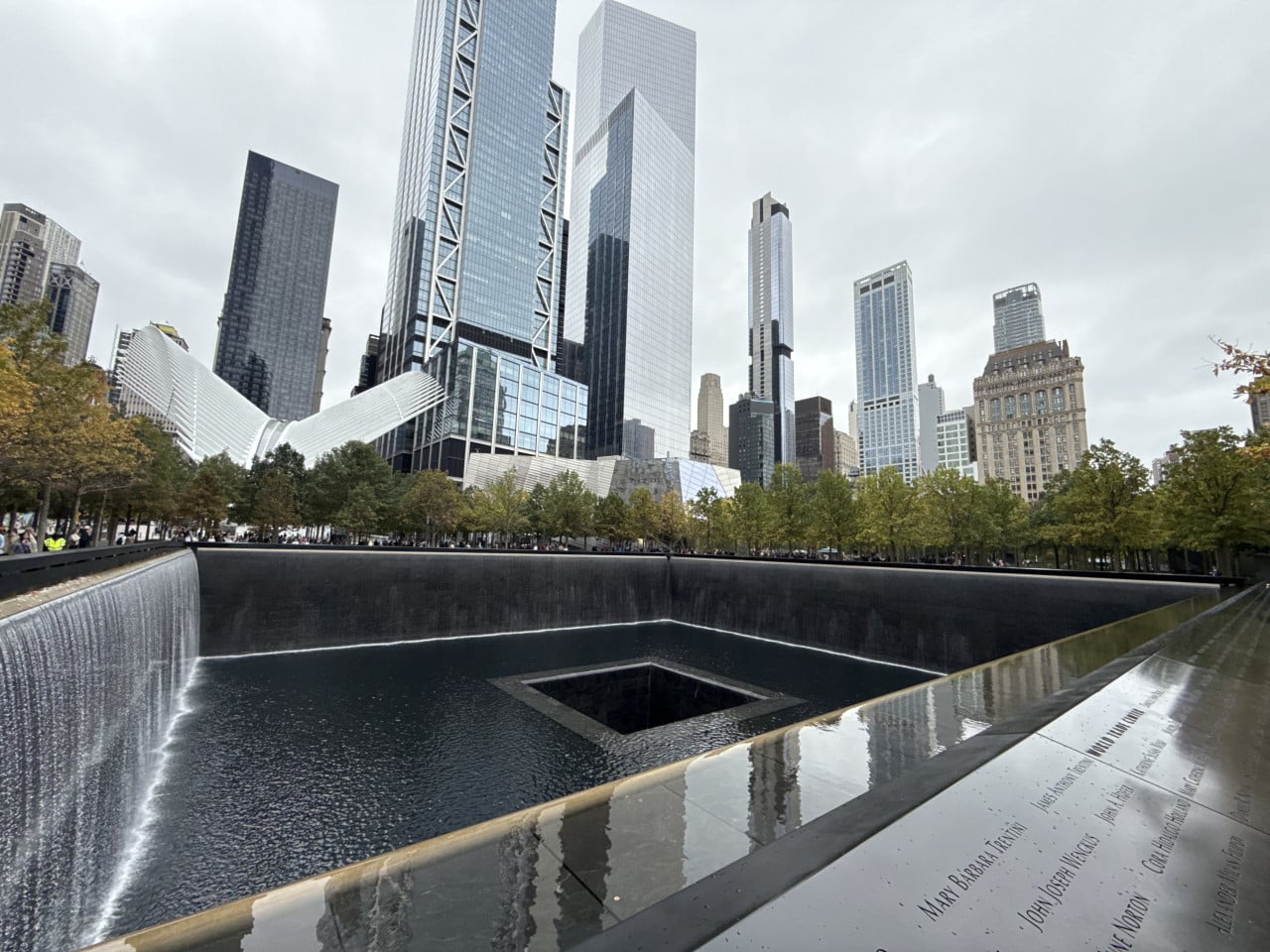
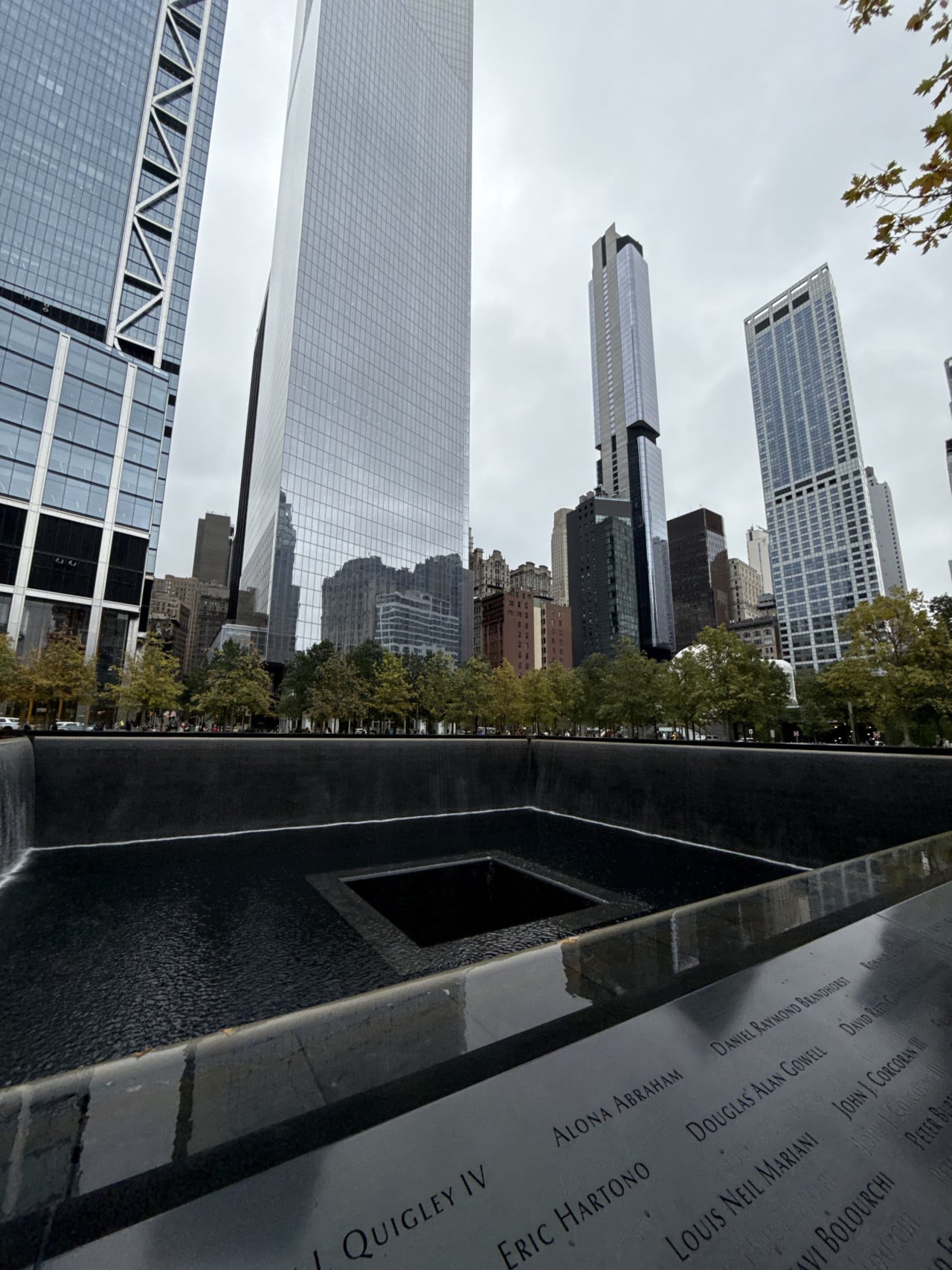
The centerpiece of the memorial consists of two enormous pools, each covering nearly one acre and positioned exactly within the footprints of the original towers. Water cascades approximately 9 meters into the pools before descending even deeper into central voids that can never be filled. This was precisely the architects’ intention – to symbolize a loss that can never be replaced. The waterfalls in the pools are the largest man-made waterfalls in North America, and their sound creates a place of peace and reflection amid the otherwise noisy center of Manhattan.
Around the perimeter of both pools are bronze panels engraved with the names of 2,983 victims – not only those killed in the 2001 attack, but also the six people who died in the 1993 World Trade Center bombing. The names are not arranged alphabetically, but according to so-called “meaningful adjacencies” – people who worked for the same company, traveled on the same flight, or were related are listed beside one another. The victims’ families were also able to request specific placements for the names of their loved ones.
More than 400 oak trees grow around the pools. Their species (swamp white oak) is native to the regions surrounding all three attack sites – New York, Virginia, and Pennsylvania. Among them stands one special tree – the so-called Survivor Tree. It is a pear tree that rescuers found severely damaged in the debris at Ground Zero in October 2001. New York City Parks employees removed and cared for it before returning it to the site in 2010, where it now grows as a symbol of resilience and renewal. Every year, seedlings from this tree are distributed to communities around the world that have endured tragedies of their own.
The entire memorial made an enormous impression on me personally. It is a place where you naturally stop, fall silent, and reflect on what happened here. The sound of falling water, the names on the bronze panels, the surrounding trees – everything feels dignified yet deeply emotional. It was truly beautiful, and I definitely recommend visiting even if you have no personal connection to the events.
One World Trade Center – A New Symbol of New York
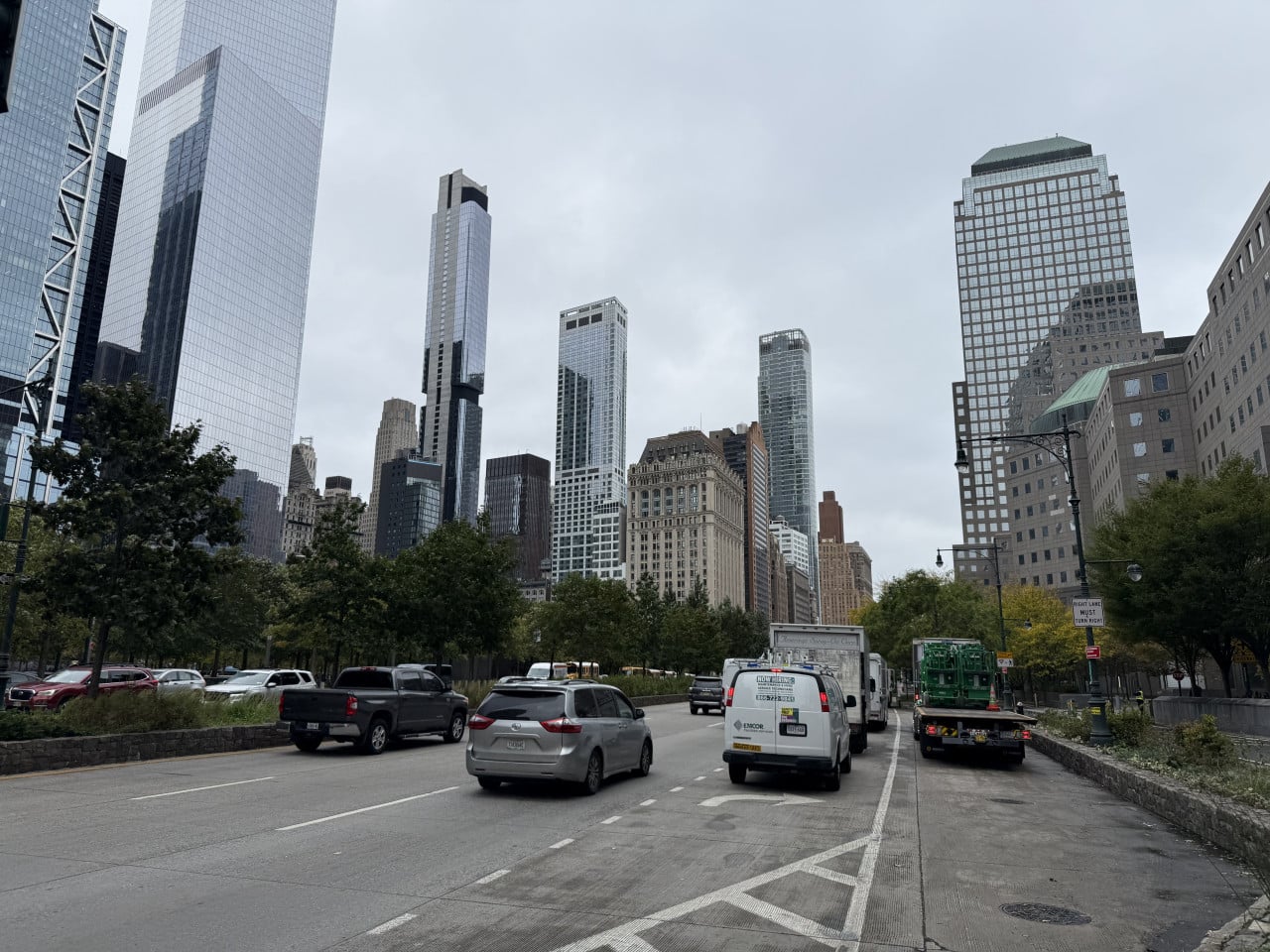
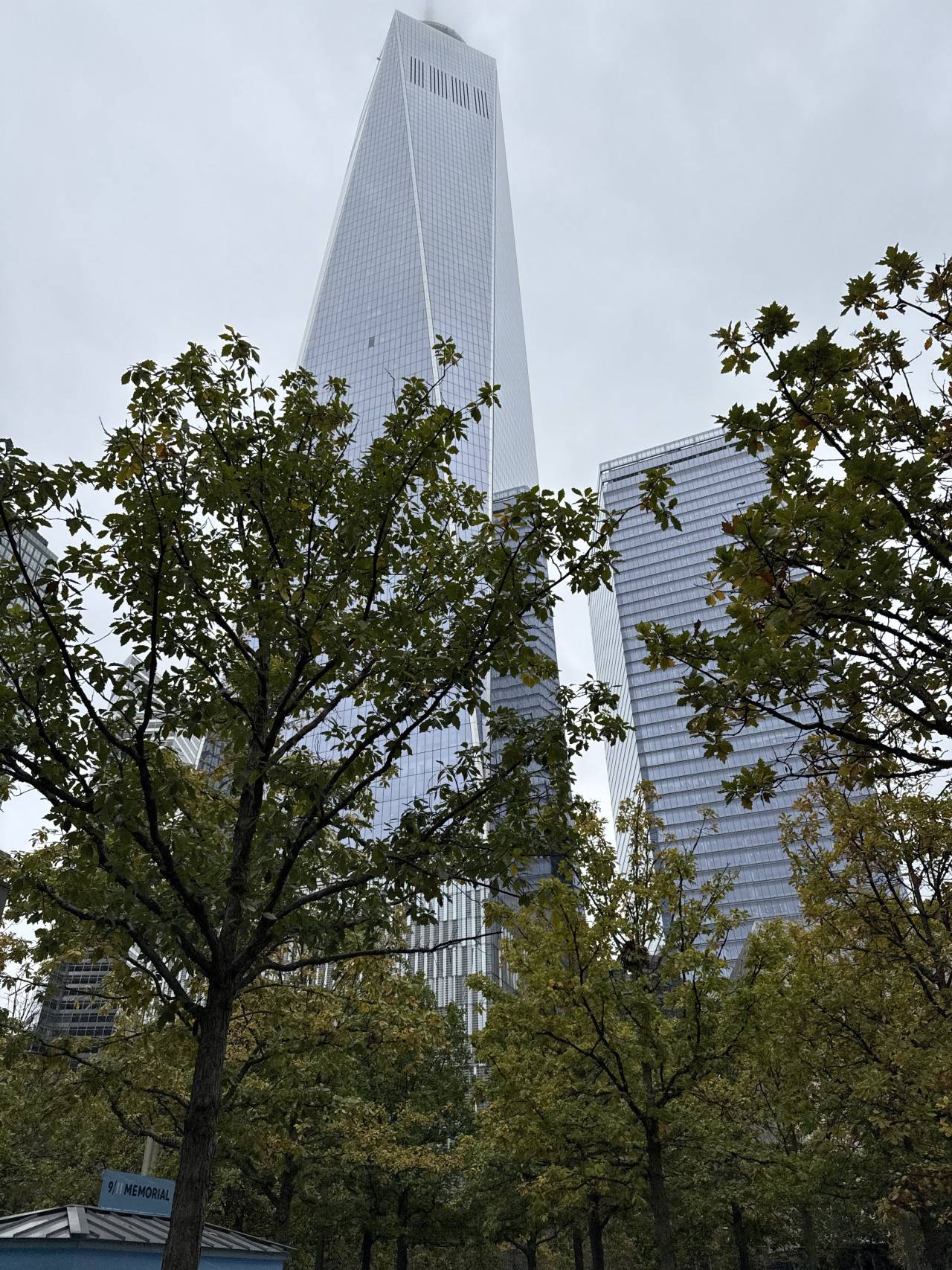
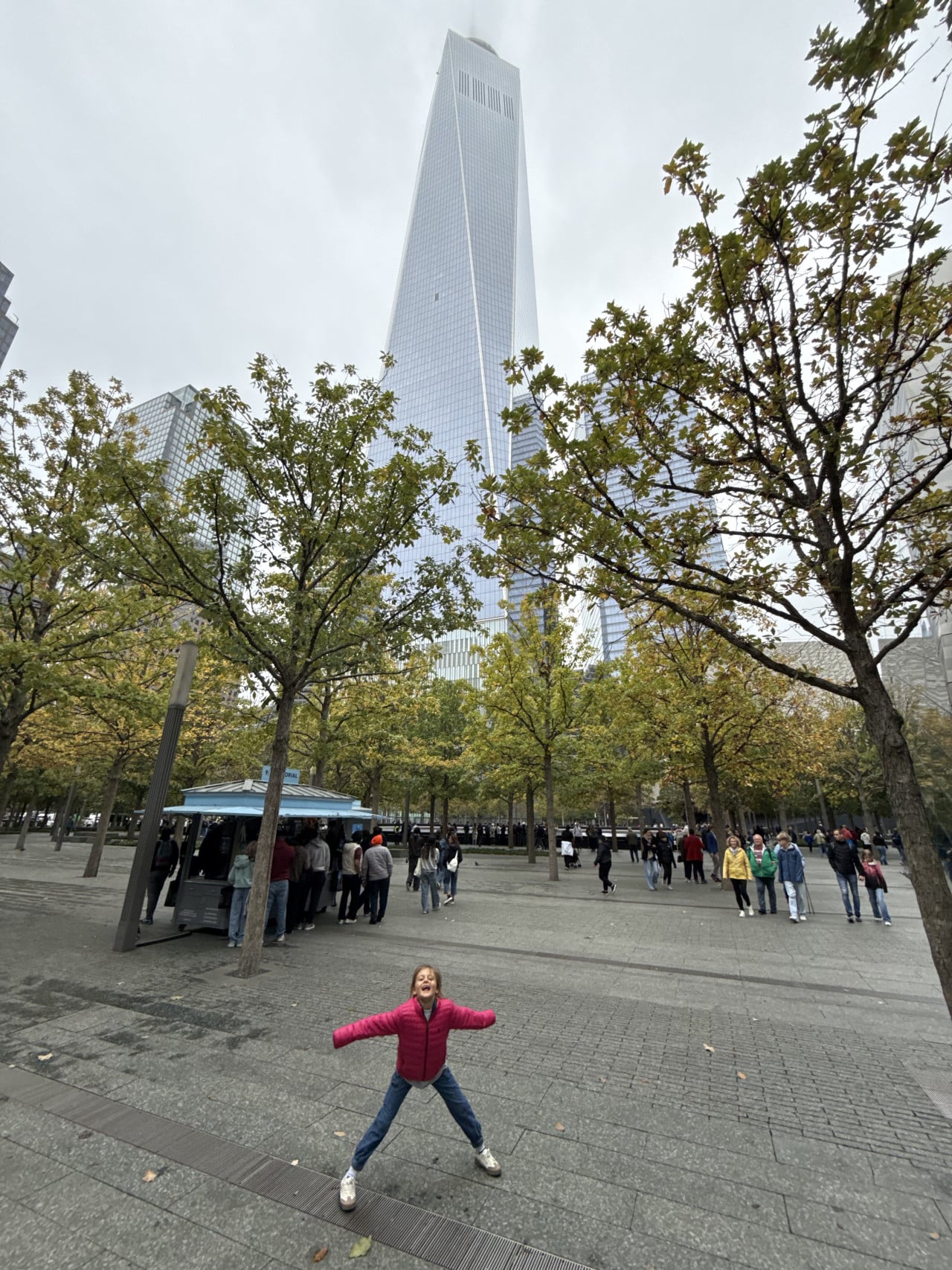
After visiting the memorial, we headed into the One World Trade Center building, which rises directly beside it. This skyscraper is quite literally the new symbol of Lower Manhattan and New York as a whole.
One World Trade Center – formerly known by the unofficial name Freedom Tower – was designed by architect David Childs of Skidmore, Owings & Merrill (incidentally, the same firm that designed the Burj Khalifa in Dubai). Construction began in 2006, and the building officially opened on November 3, 2014.
The building stands exactly 1,776 feet, or 541 meters, tall – and this number is no coincidence. It refers to the year 1776, when the United States Declaration of Independence was signed. This made One World Trade Center not only the tallest building in New York, but also in the entire Western Hemisphere.
Interestingly, the height of the building’s roof (excluding the antenna) is 417 meters – exactly the same as the original North Tower of the Twin Towers. The building’s base also has the same dimensions as the footprints of the original towers. These details are no coincidence, but a deliberate tribute to the original World Trade Center.
The building has 104 floors and offers a total of around 325,000 square meters of office space. Safety was a major priority in its design – the bottom 57 meters consist of a massive blast-resistant concrete base, the stairways are considerably wider than those in ordinary skyscrapers, and the entire concrete core is reinforced. The building also received LEED Gold certification for sustainability – it uses recycled materials and a rainwater collection system.
The building was originally called Freedom Tower, but in 2009 its name was officially changed to One World Trade Center. The reason? The name “Freedom Tower” carried too much emotional weight, making it difficult to lease office space – potential tenants did not want to be constantly associated with the tragic events.
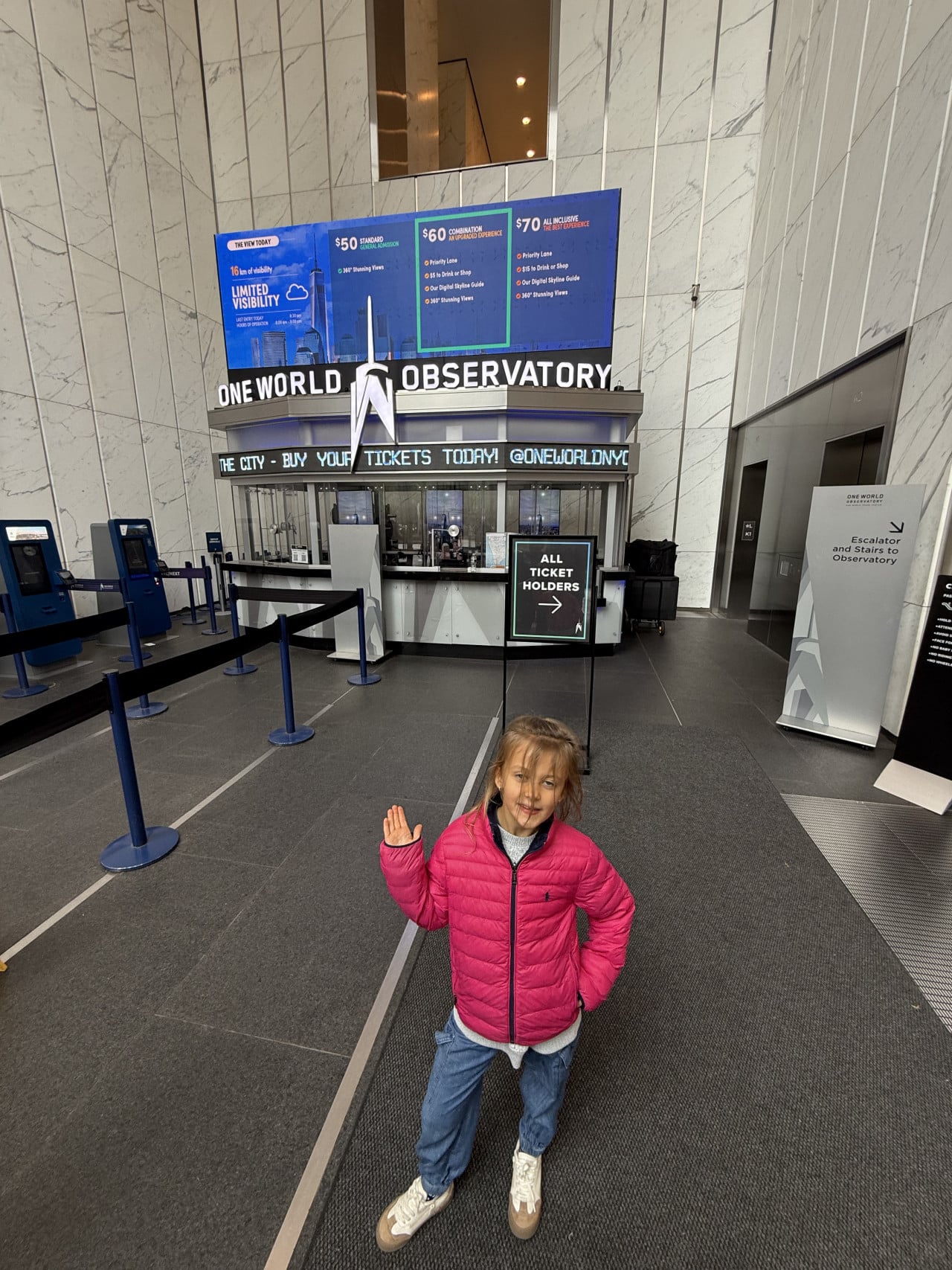
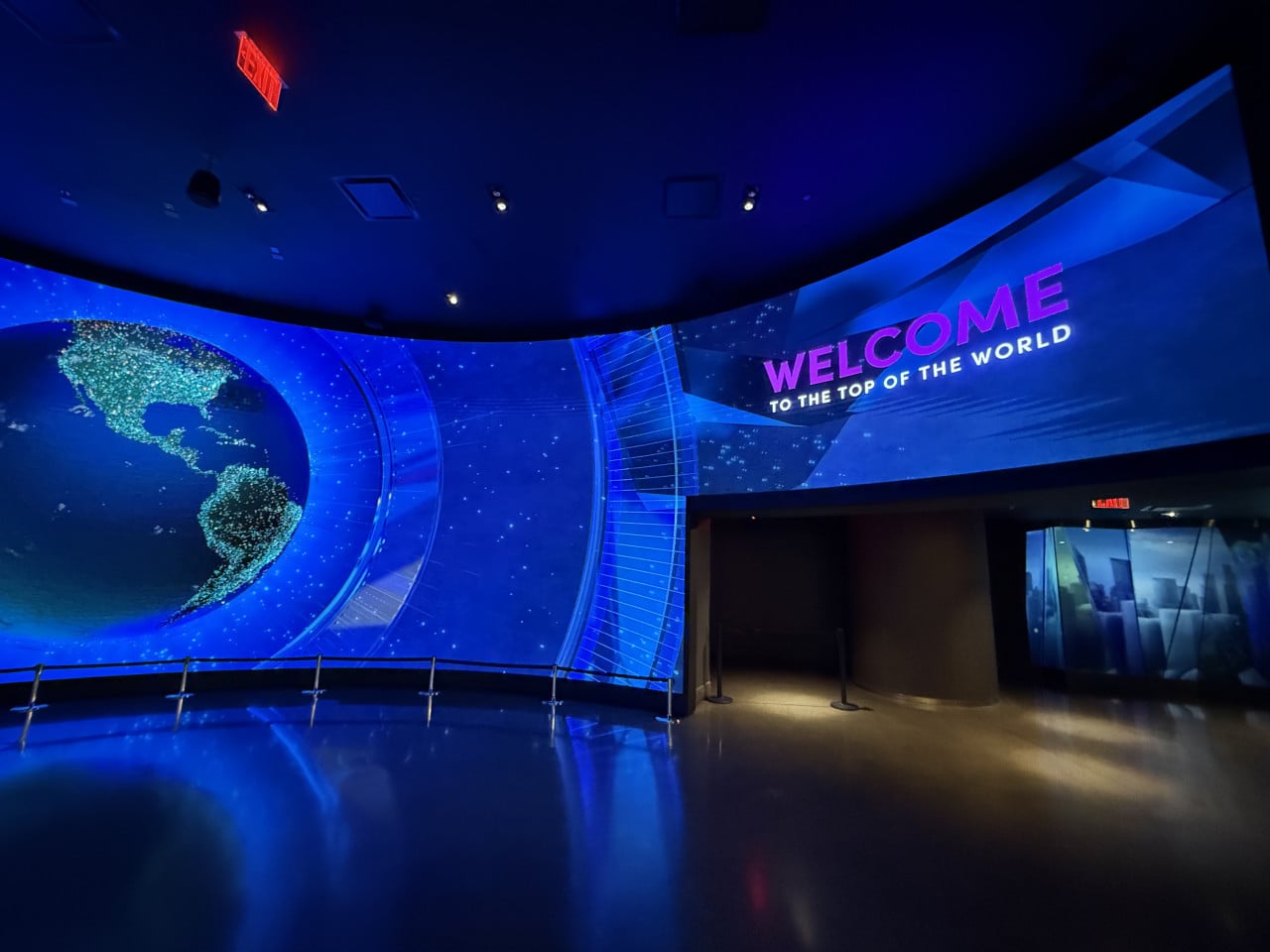
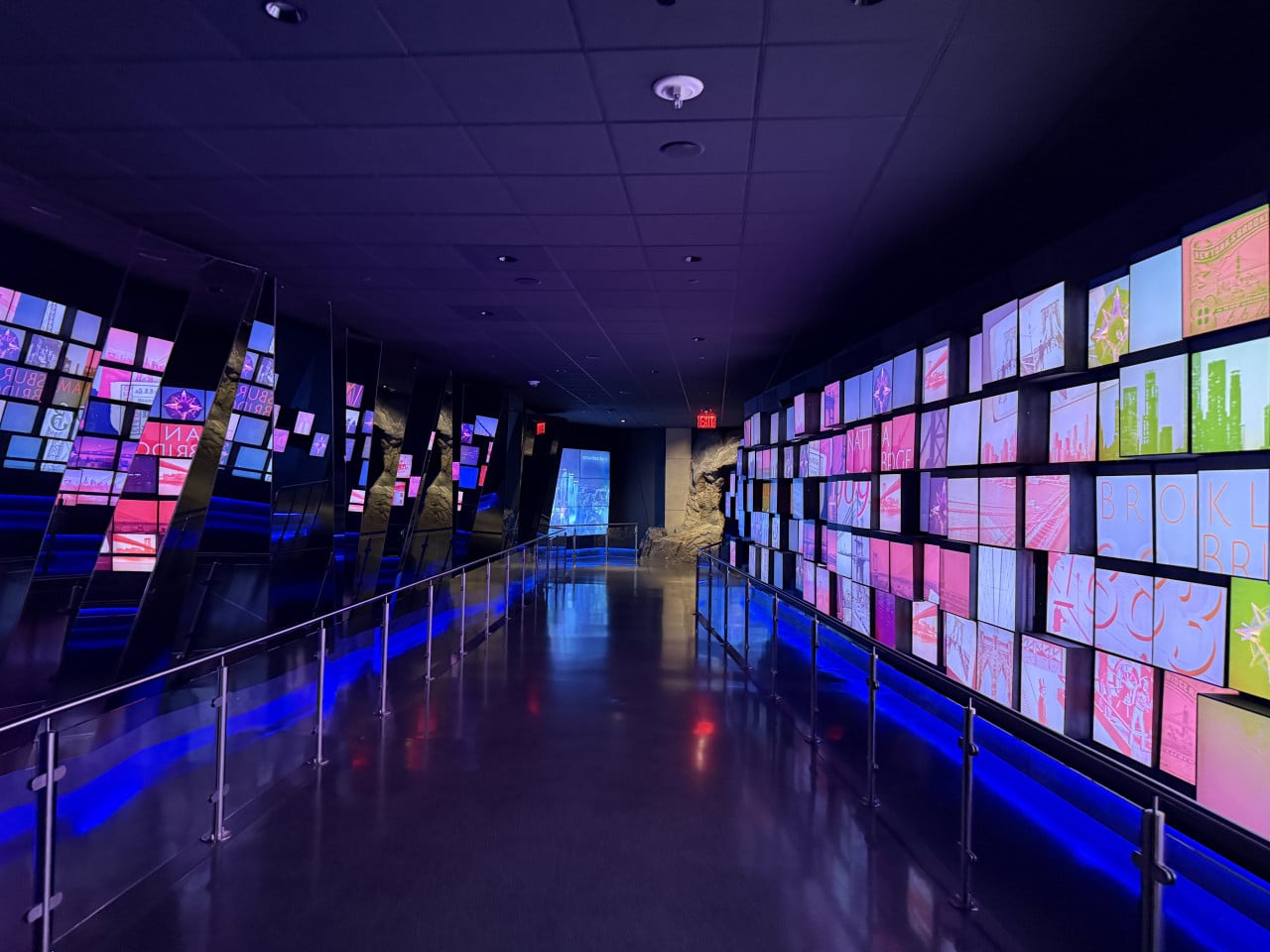
One World Observatory – A View from the Top of the World
At the top of One World Trade Center is the One World Observatory – an observation deck spanning the 100th through 102nd floors, approximately 386 meters above the ground. The observatory opened on May 29, 2015, and has since become one of New York’s most visited attractions.
The journey to the top is an experience in itself. The SkyPod elevators take you to the 102nd floor in just 47 seconds – at a speed of approximately 37 km/h. During the ride, the walls of the elevator are covered with LED screens showing a time-lapse animation of New York’s development from the 16th century to the present day. You watch as a forest-covered island gradually transforms into a modern metropolis filled with skyscrapers – and finally, the silhouette of the very building you are standing in appears on the screens. It is truly beautiful.
At the top, a 360-degree view awaits through enormous floor-to-ceiling windows. In clear weather, you can apparently see as far as 80 kilometers. The 100th floor also features the so-called Sky Portal – a fourteen-foot circular glass disk in the floor displaying a live HD feed of the streets directly beneath your feet, 386 meters below. The feeling when you step onto it is quite intense.
The Fog Spoiled the View a Little
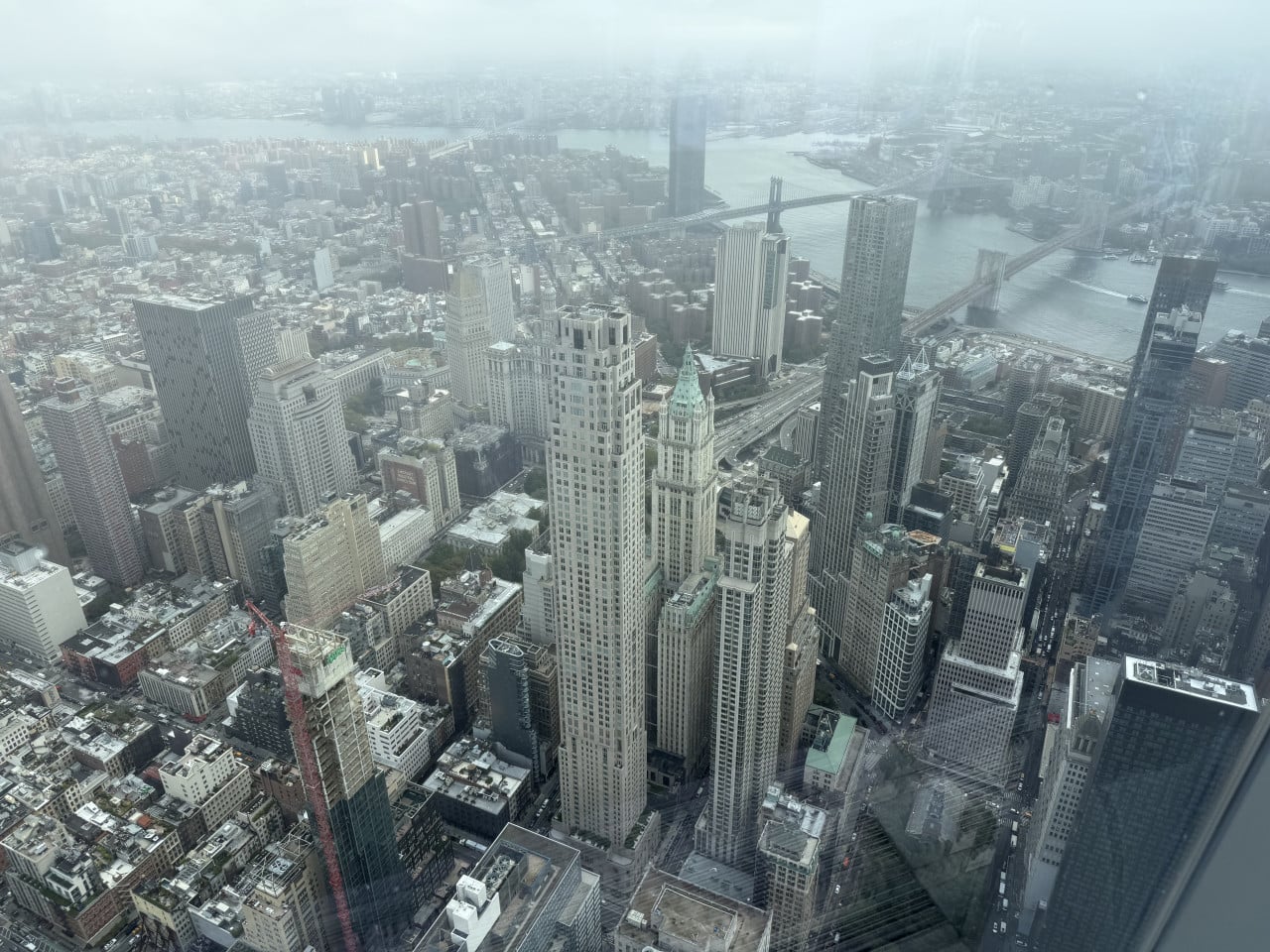
Unfortunately, it was foggy that day. They had already warned us downstairs that visibility probably would not be great – and they were right. We could see the city below us from the observatory, but the horizon disappeared into the gray haze. We caught a glimpse of the Brooklyn Bridge and the East River, but not the Statue of Liberty, for example.
Even so, it was worth it. A city shrouded in fog has an atmosphere of its own, and the building itself, the elevator, and the exhibitions inside are experiences in their own right.
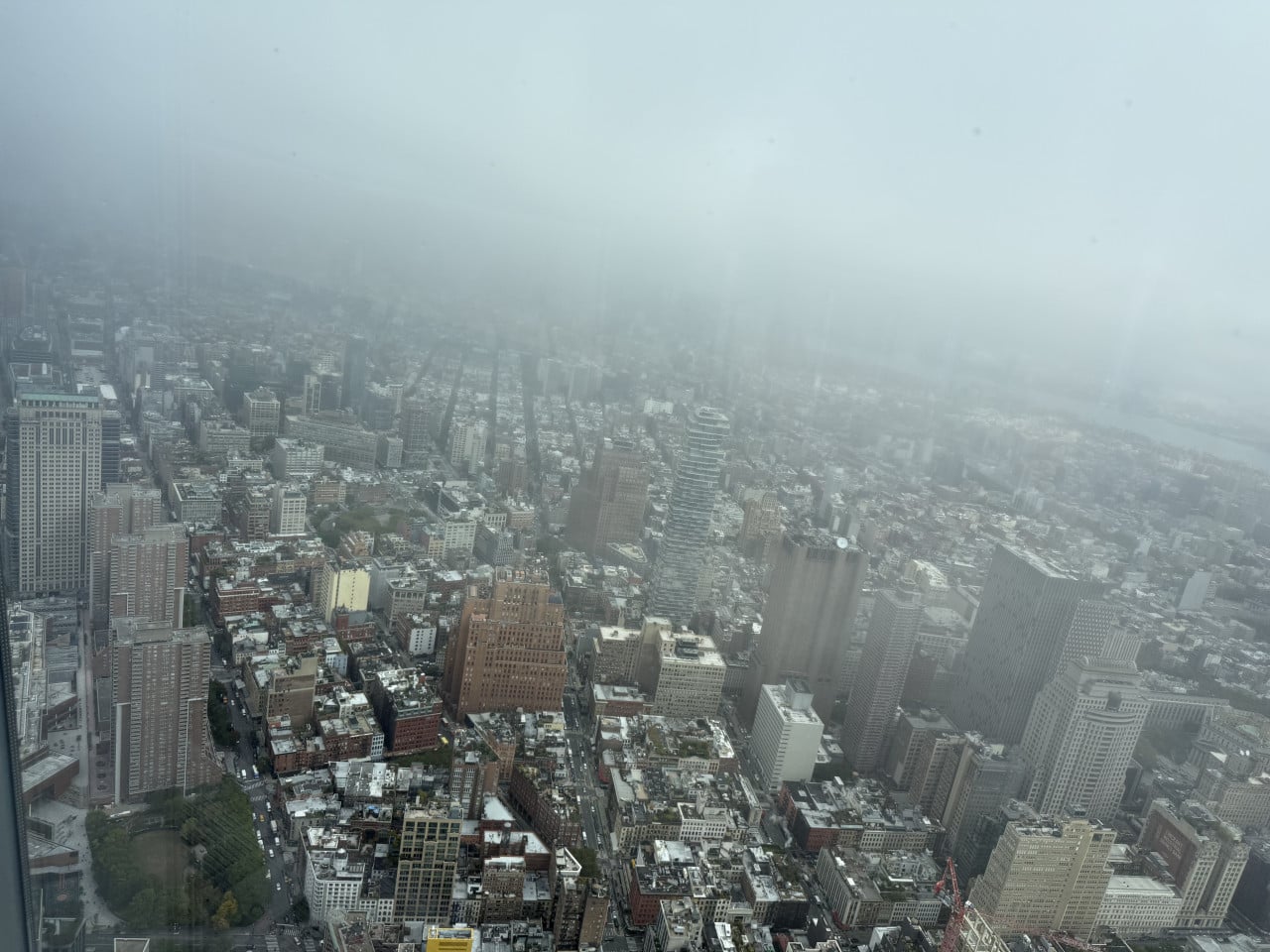
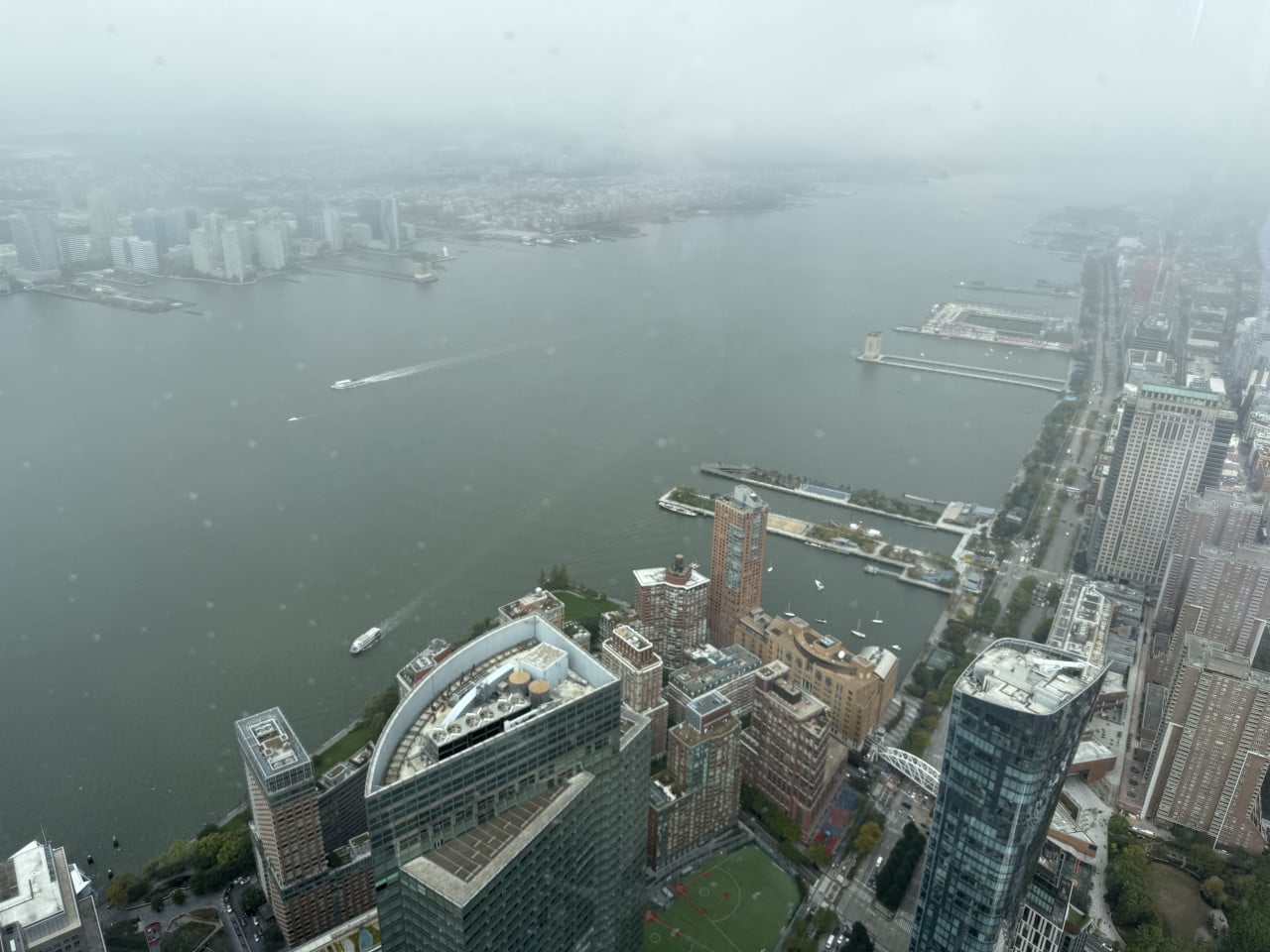
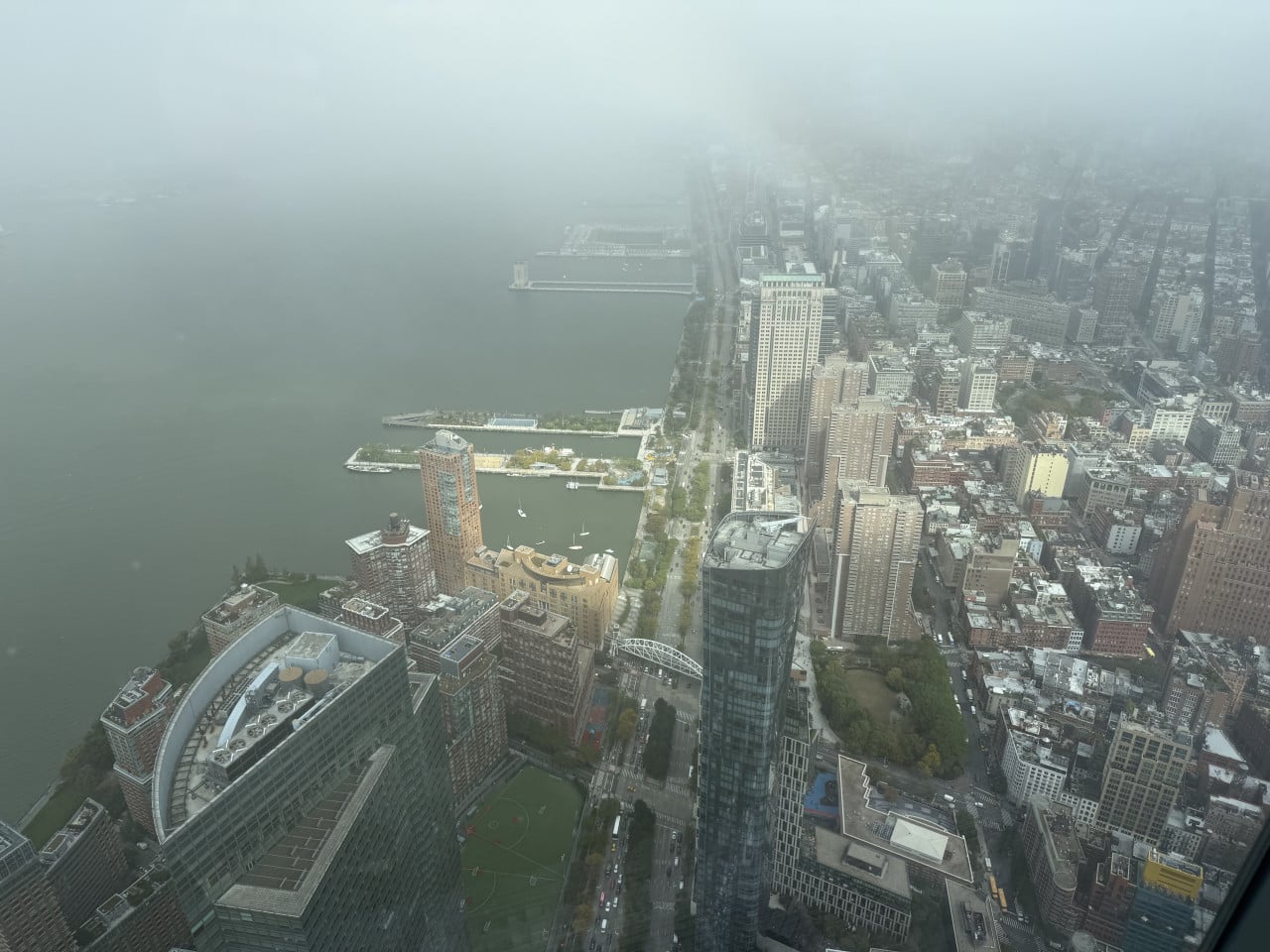
Photos from a Previous Visit – This Time Without Fog
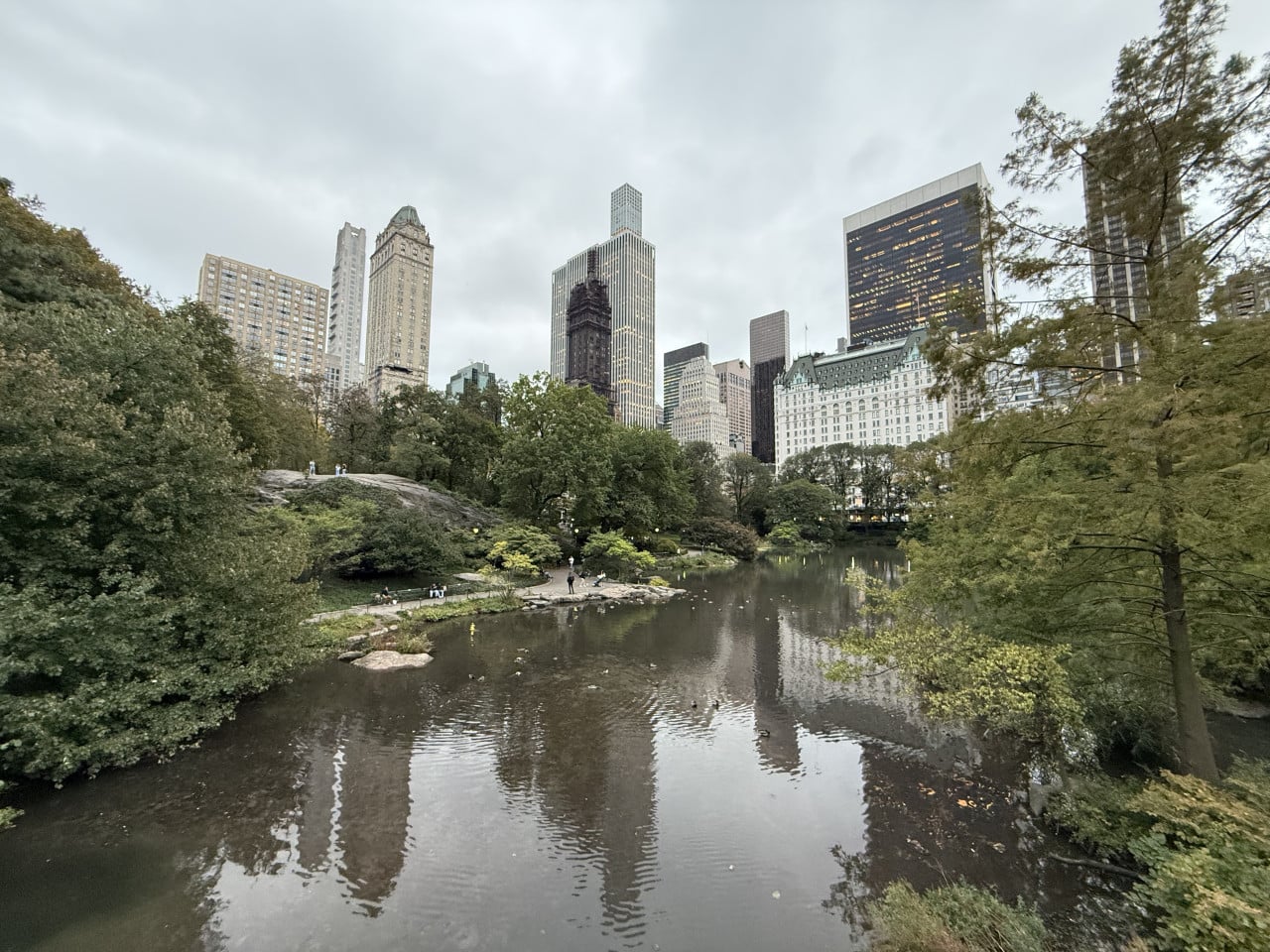
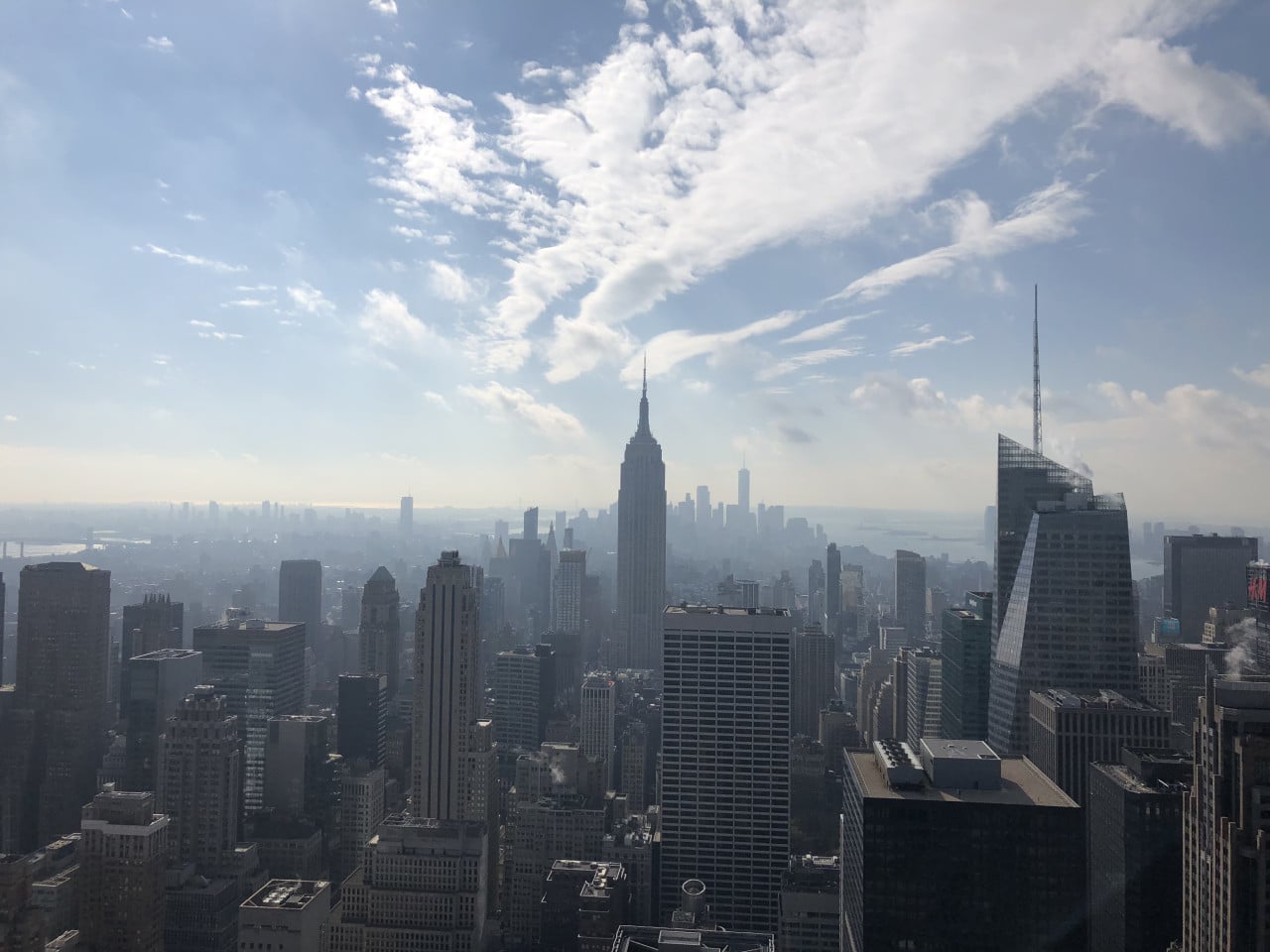
Fortunately, this was not my first time in New York. On one of my previous visits, I went to the Top of the Rock observation deck at Rockefeller Center, where the weather was considerably more favorable. So I am adding a few more photos to show what the view looks like when Manhattan reveals itself in all its glory.
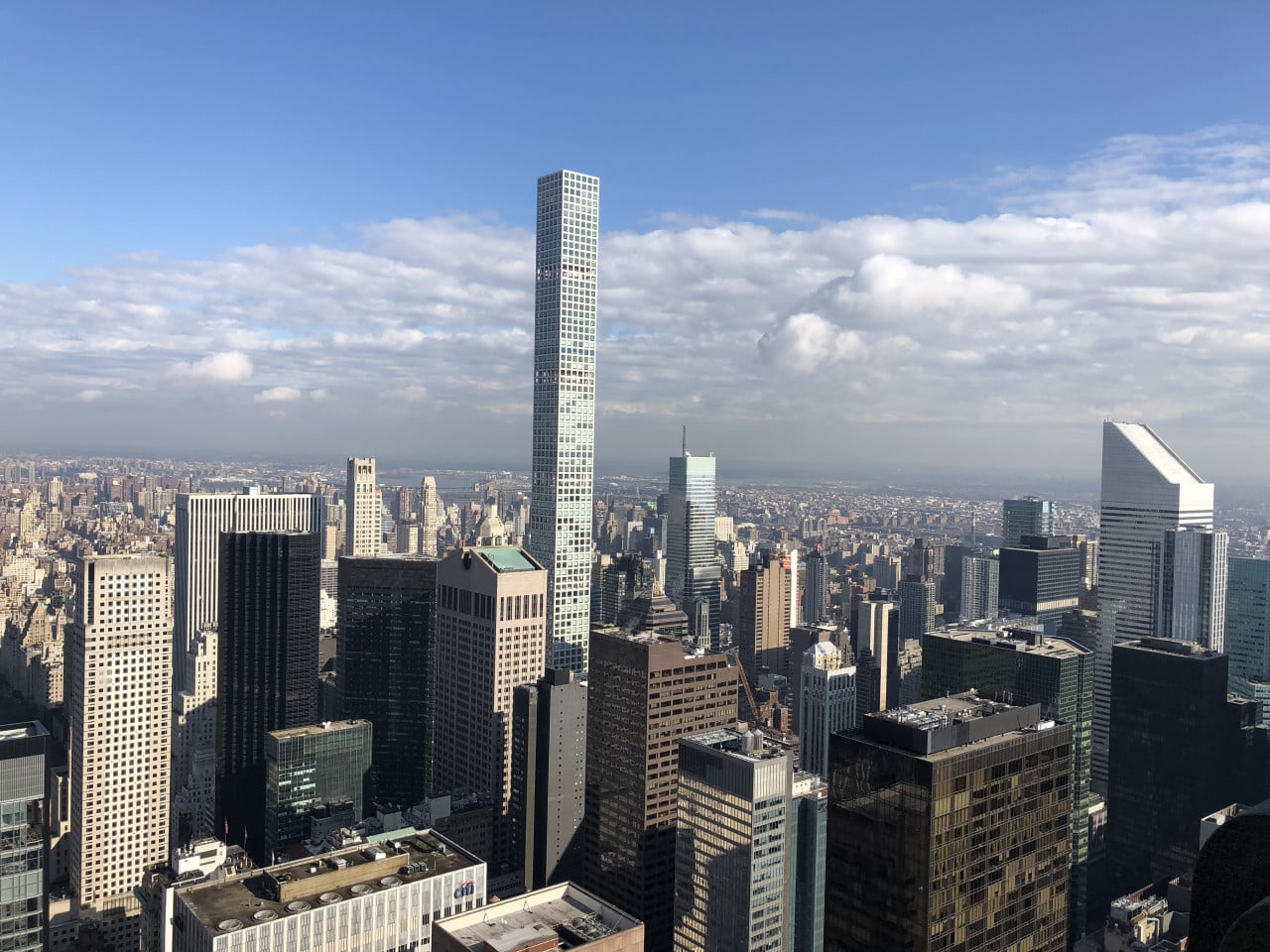
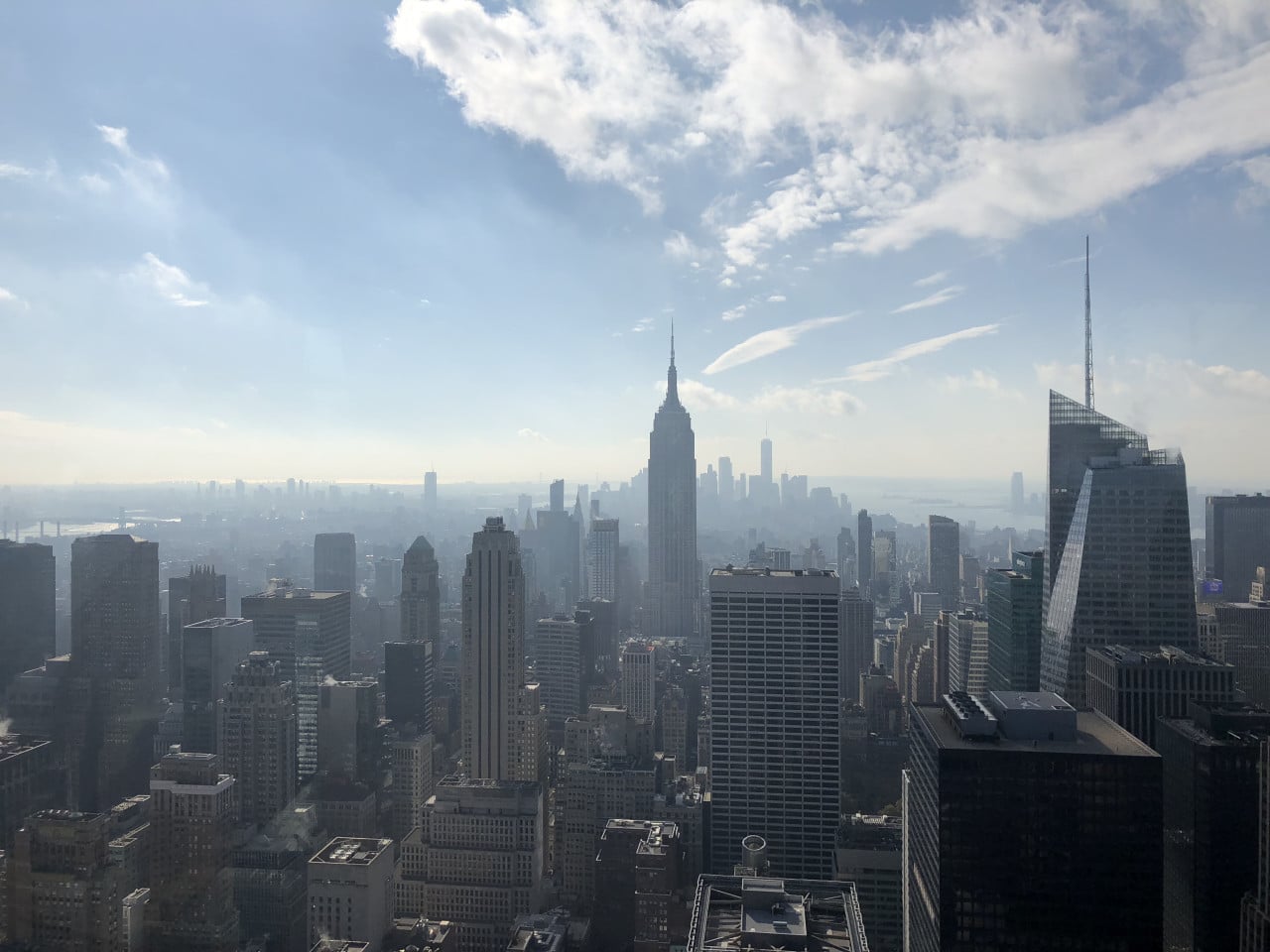
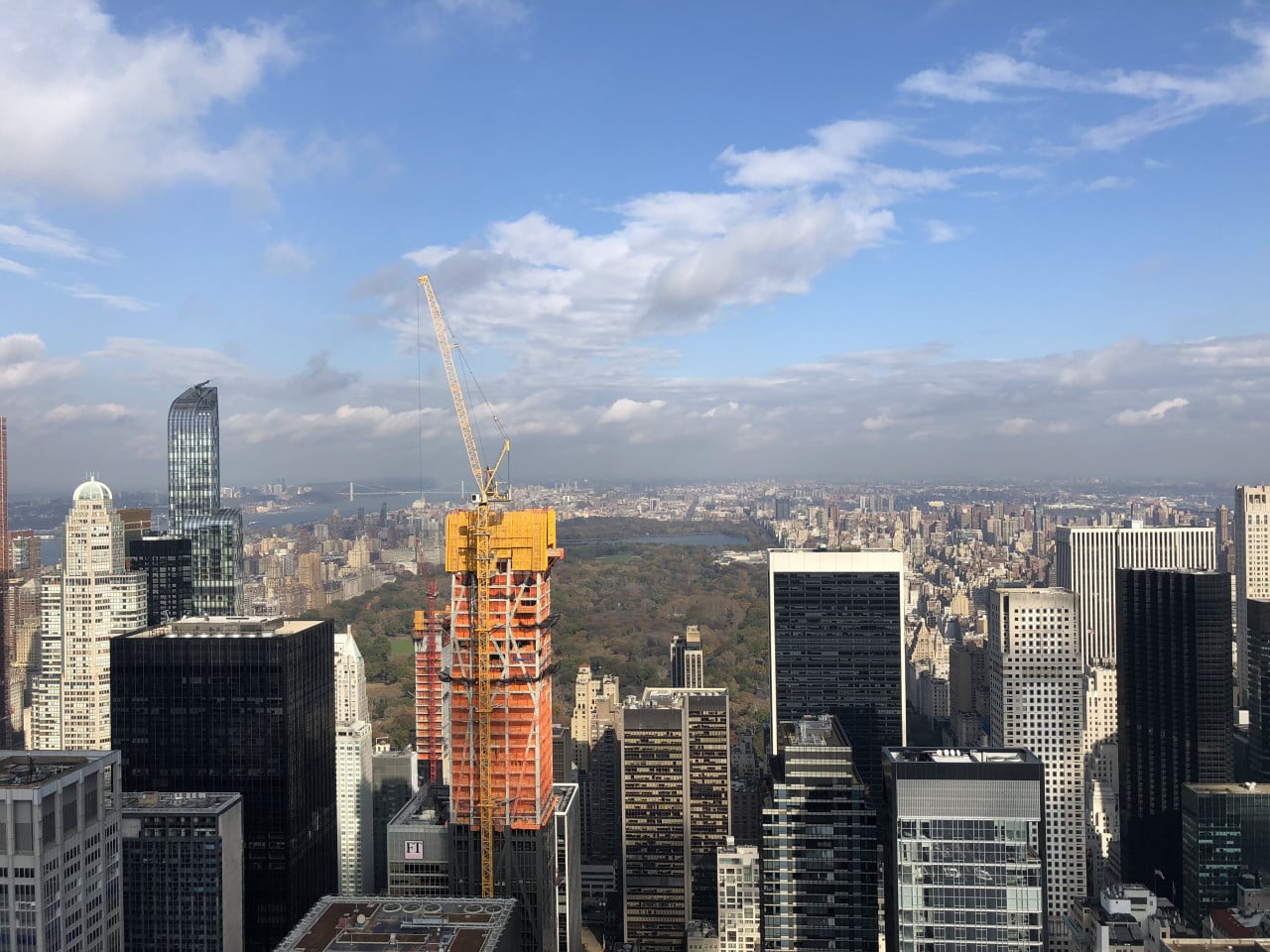
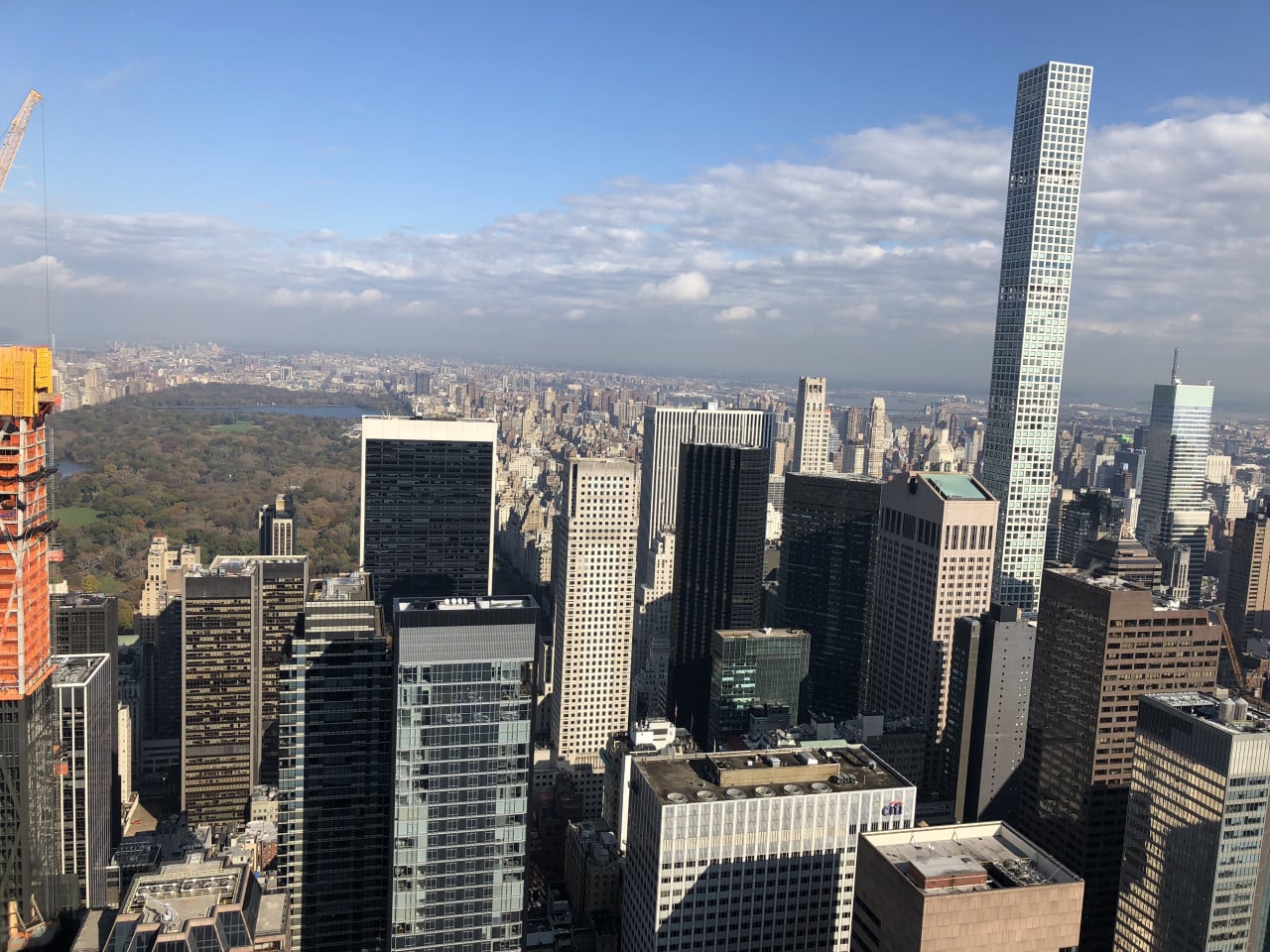
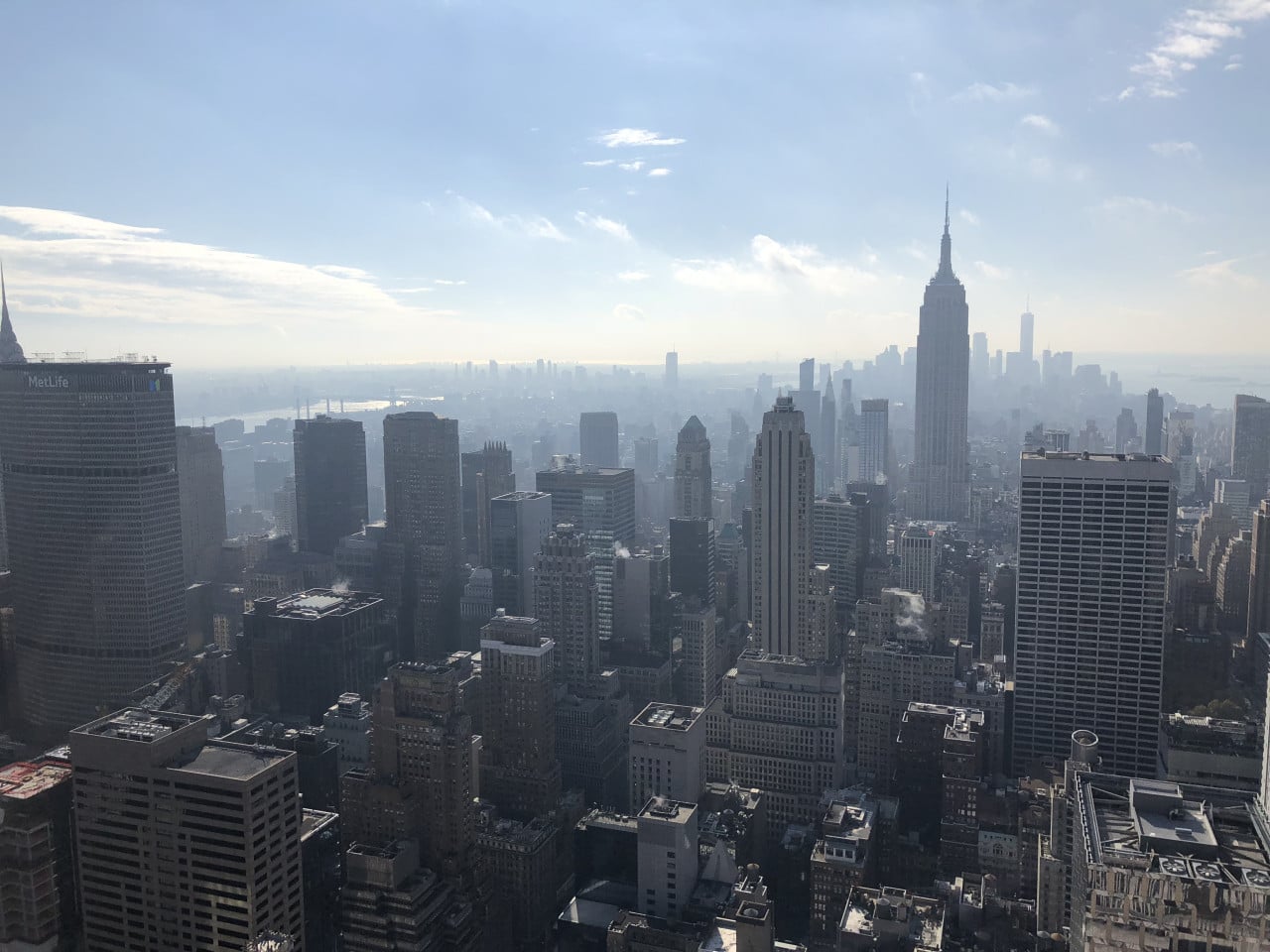
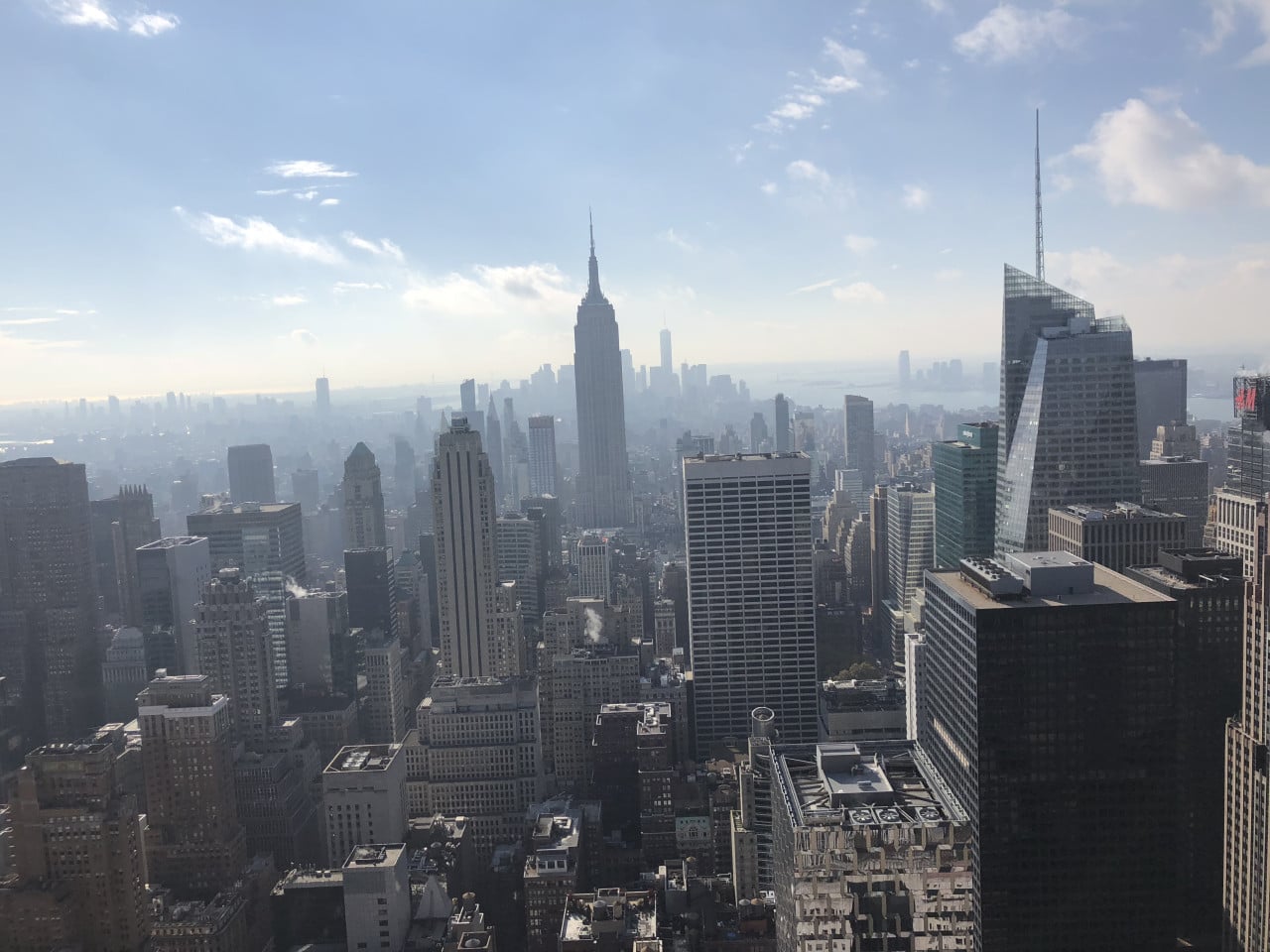
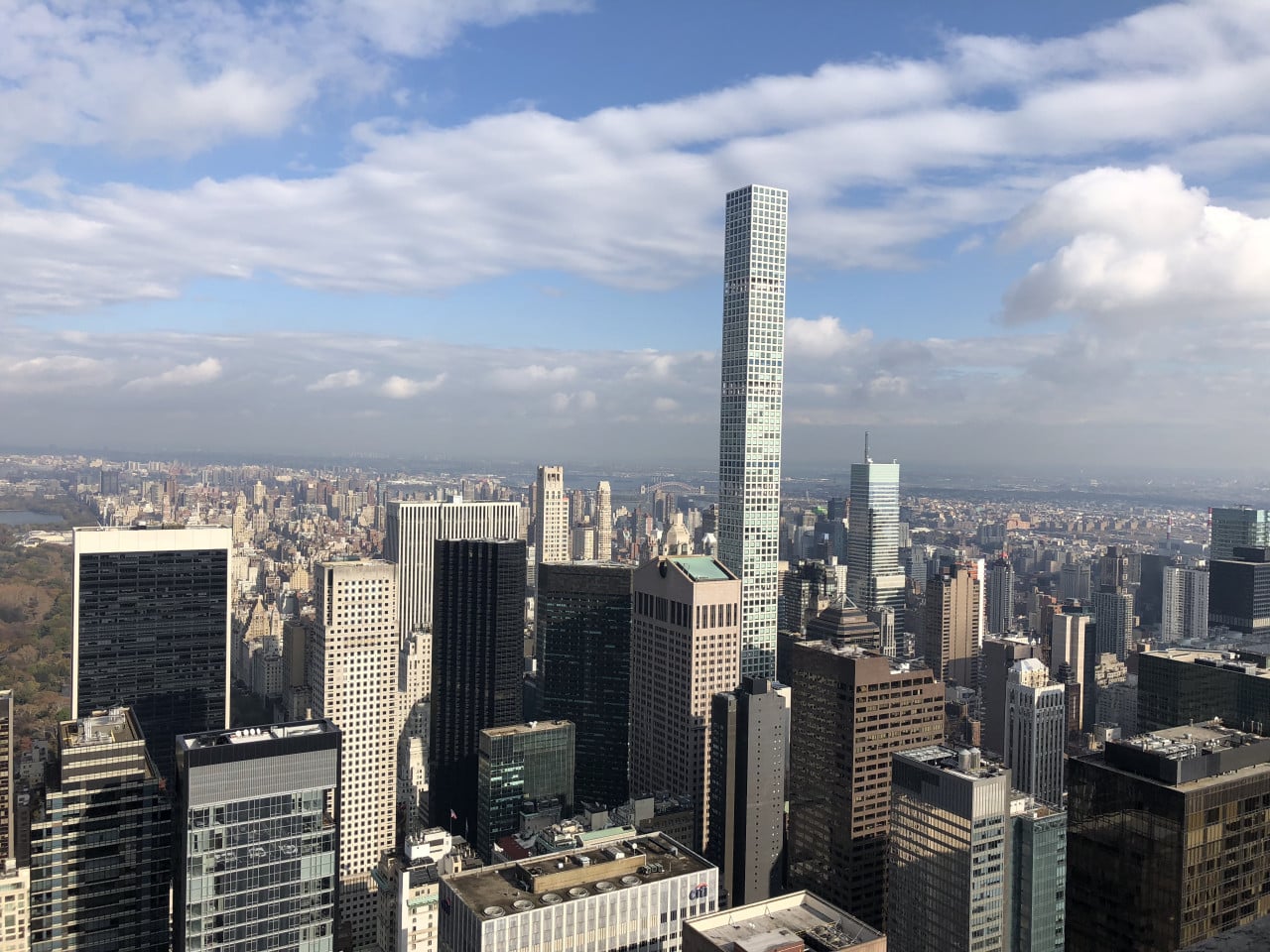
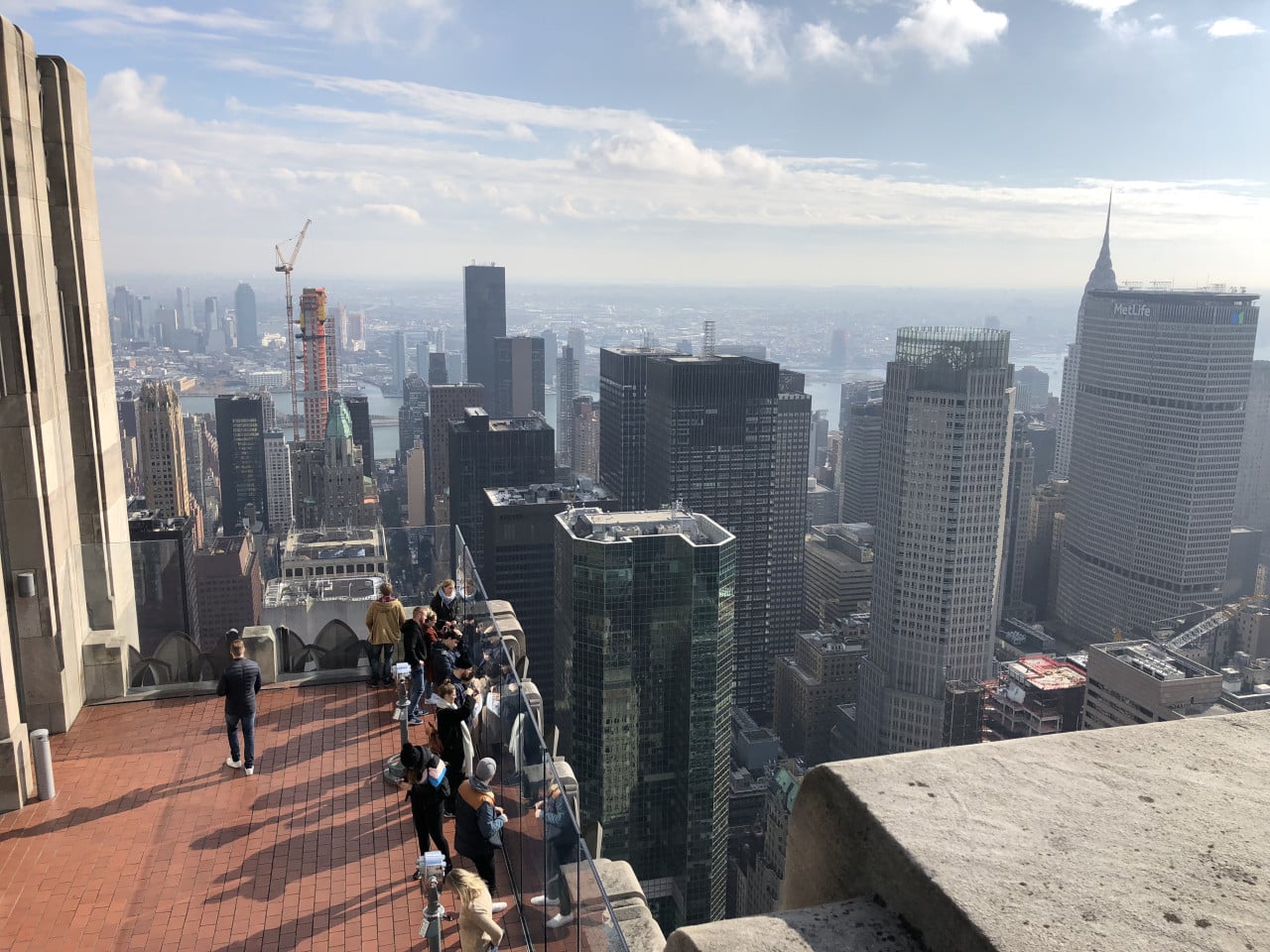
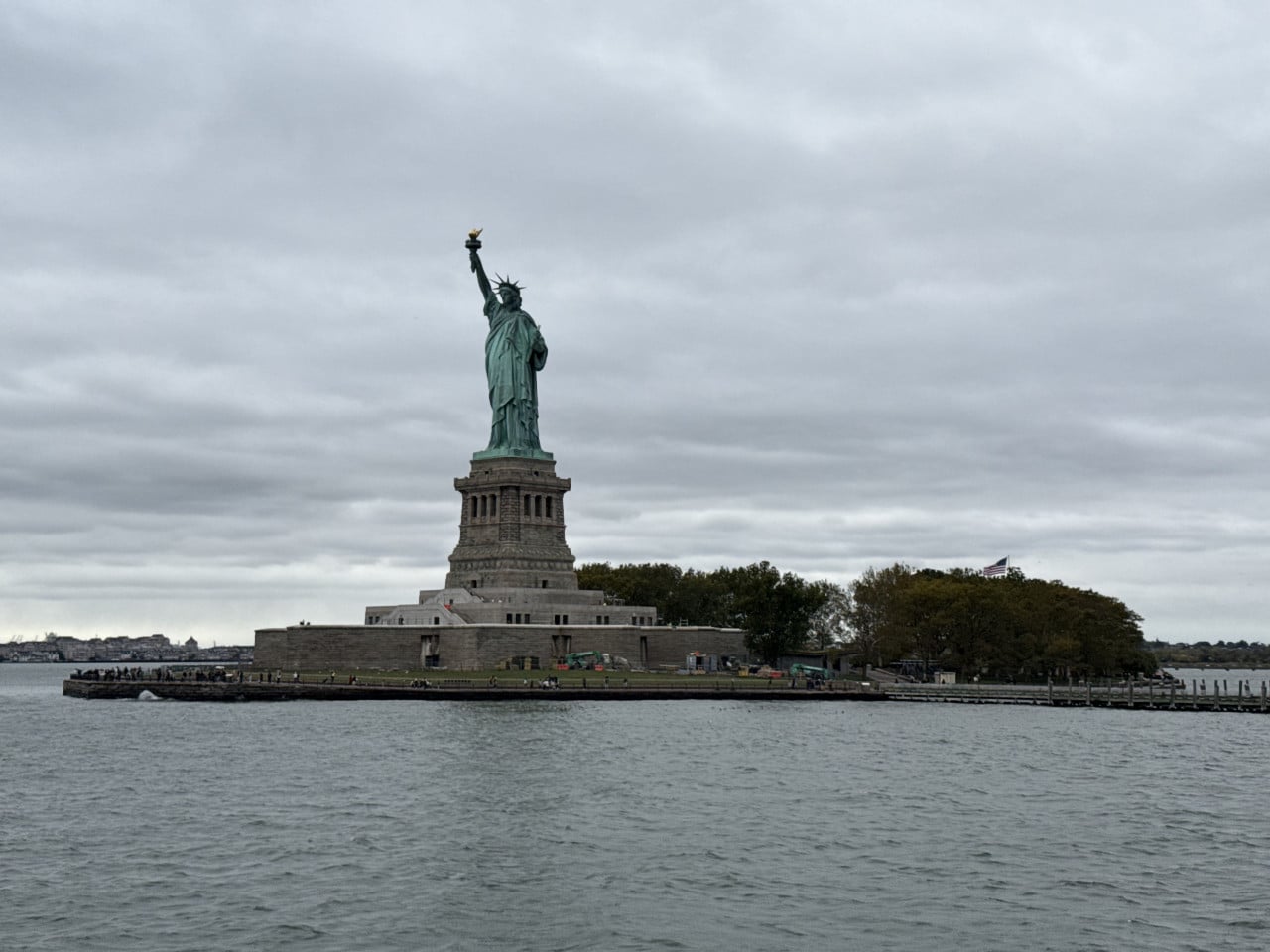
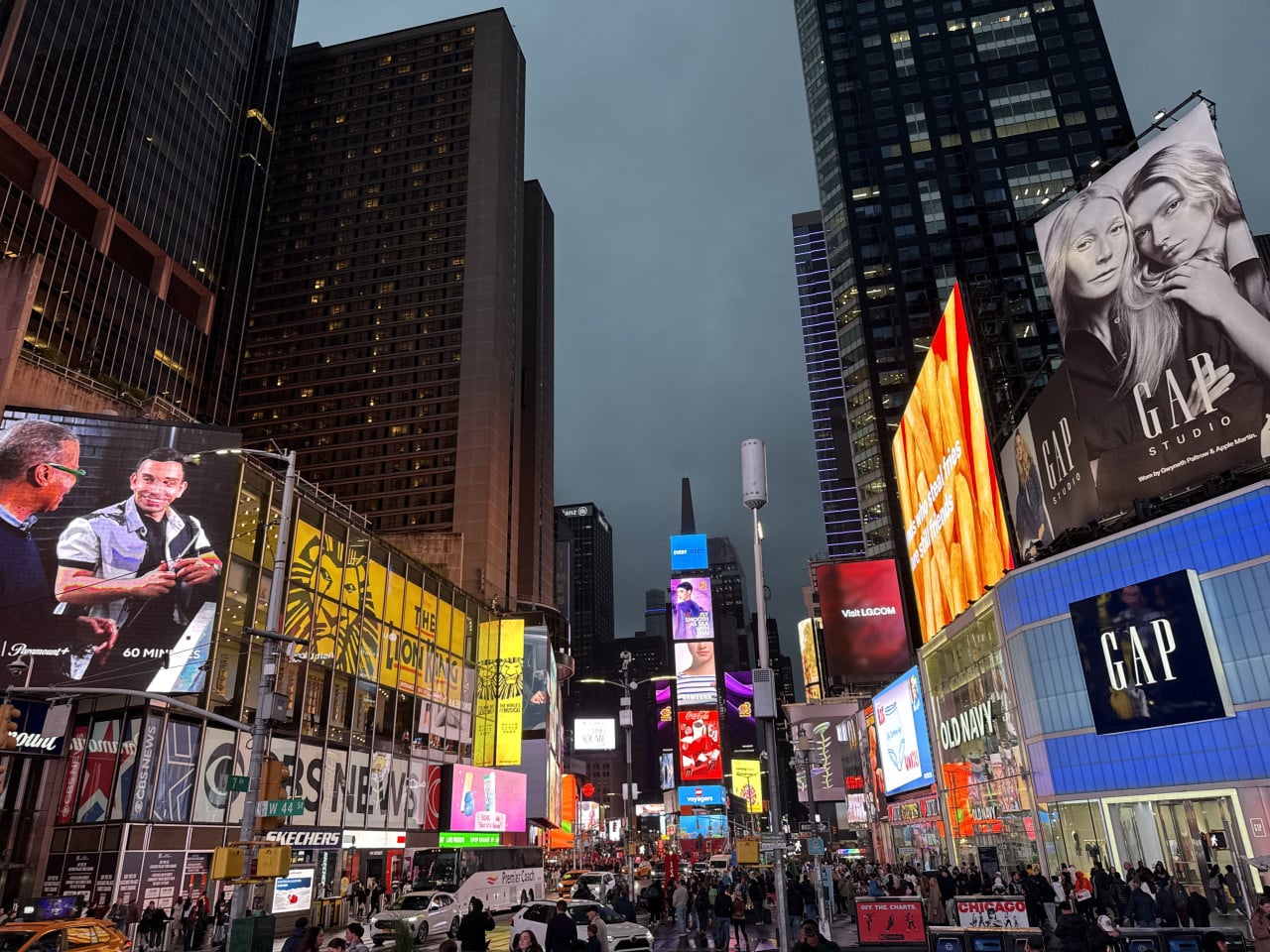
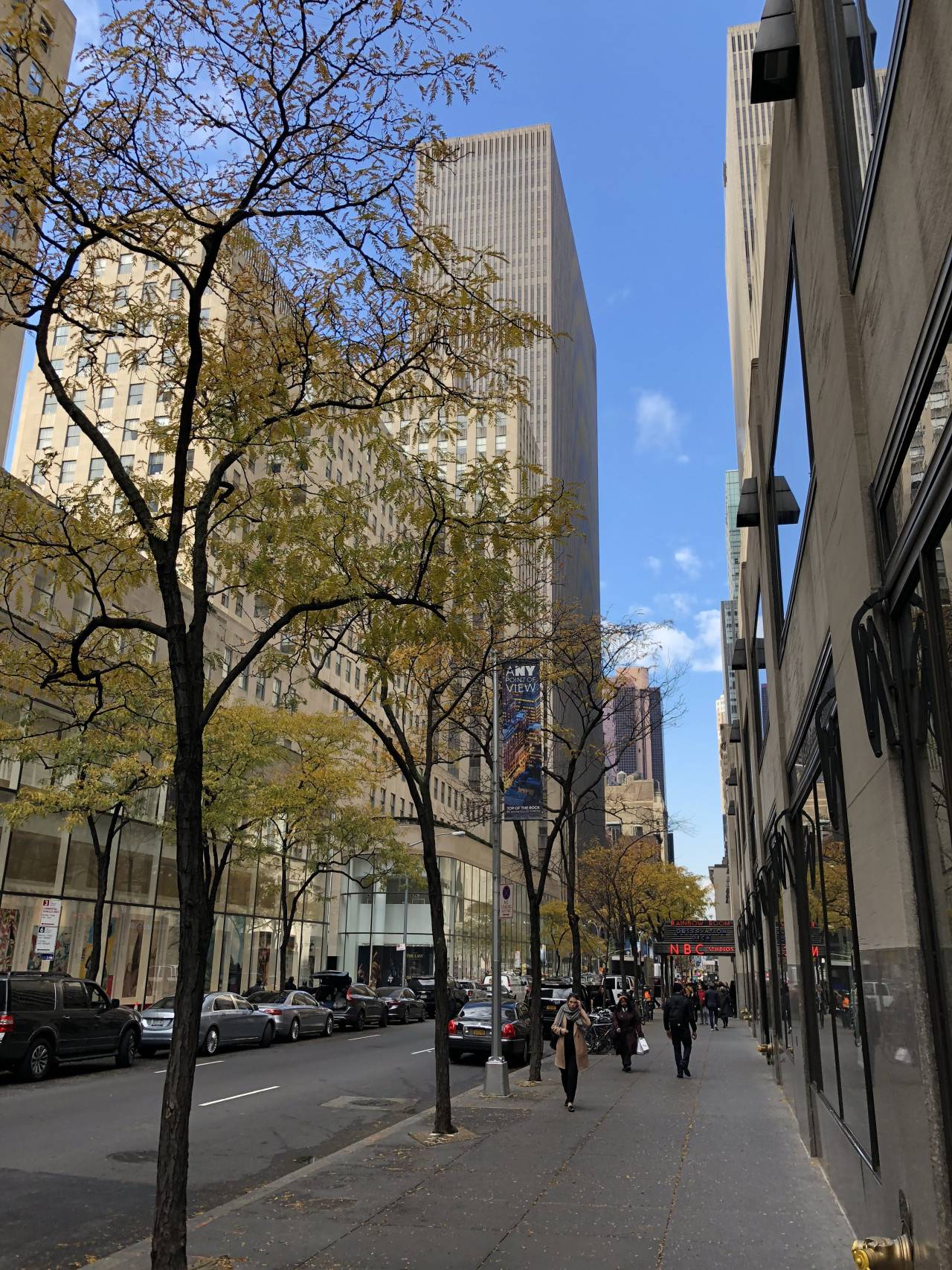
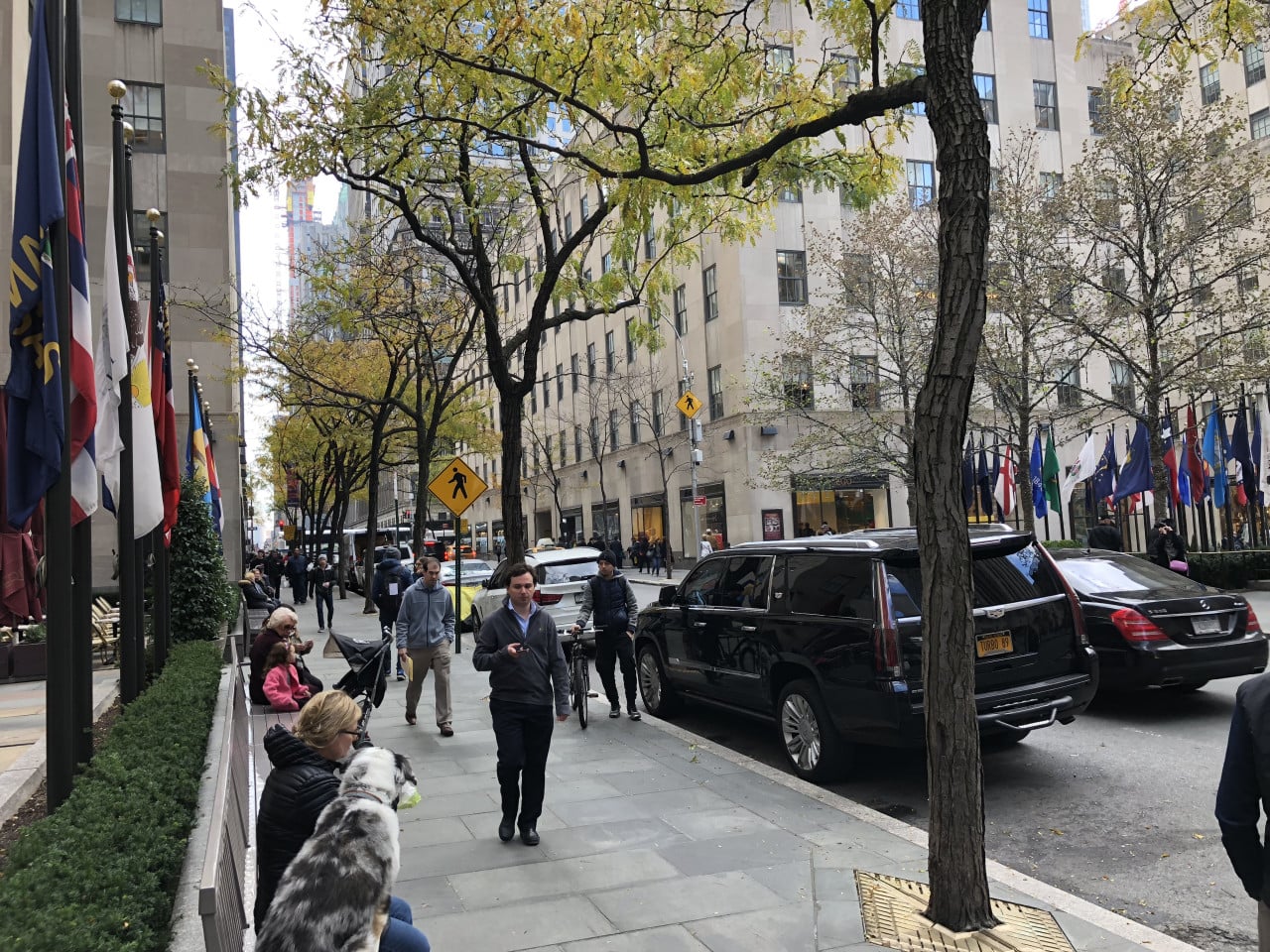
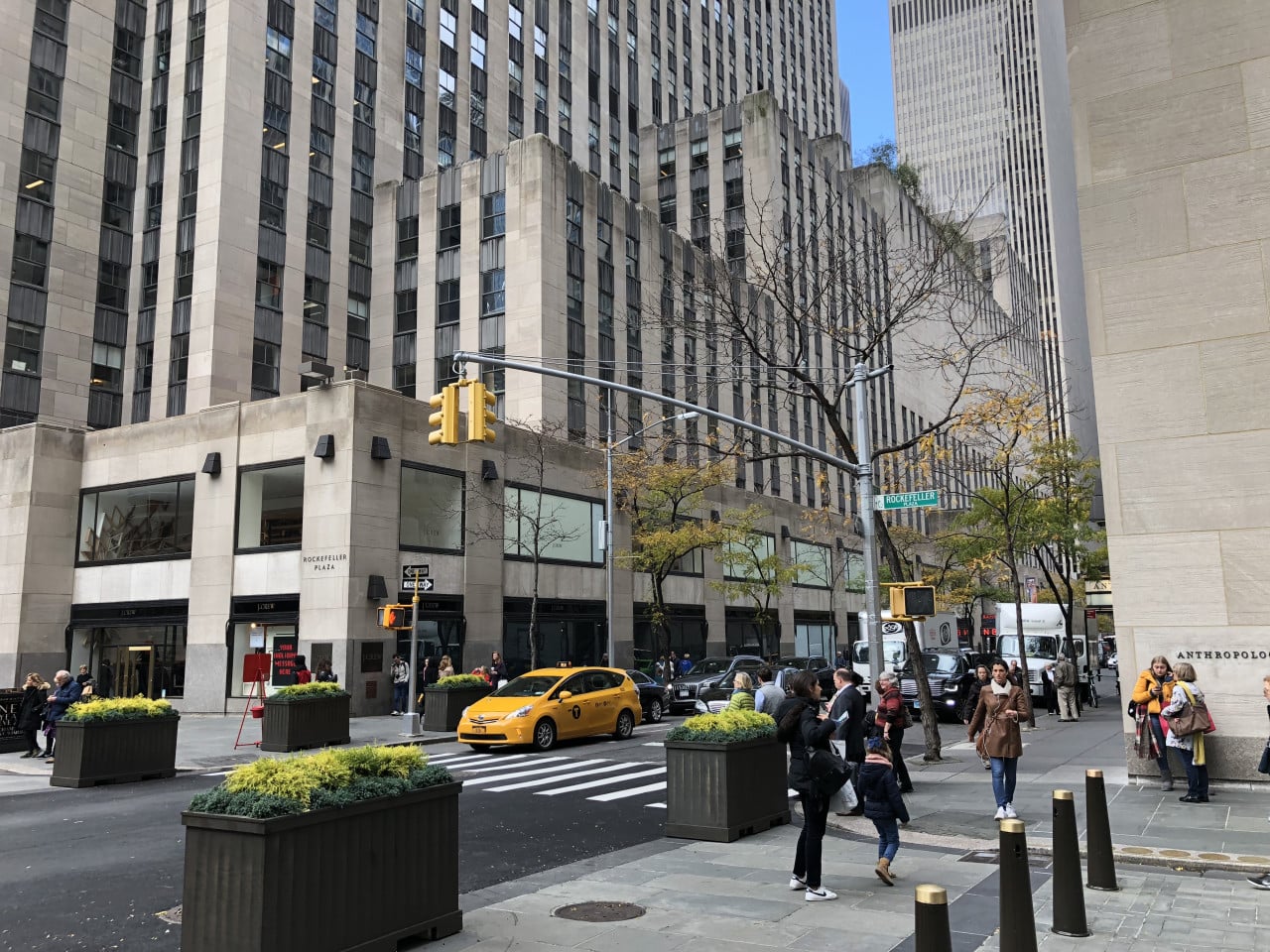
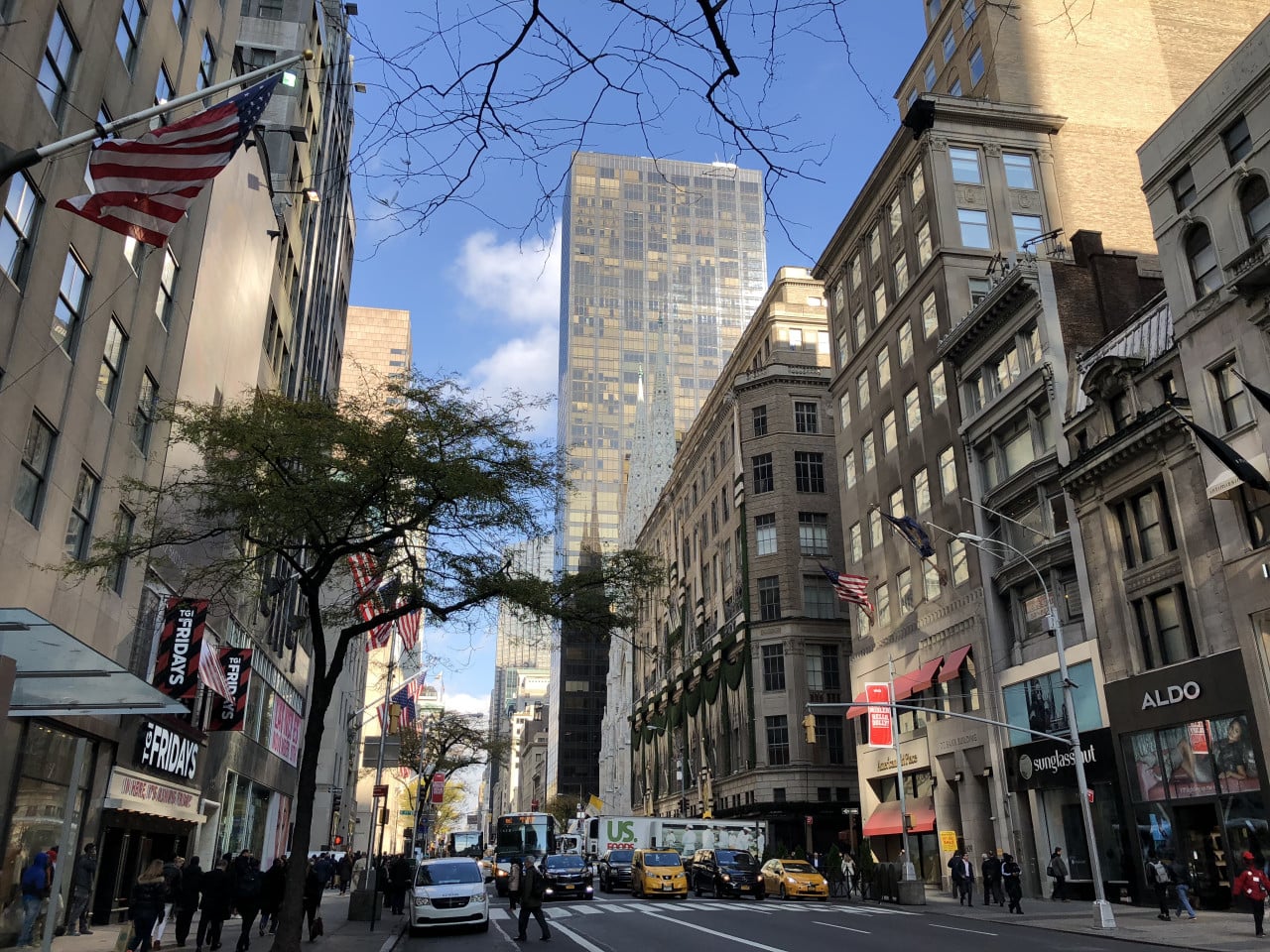
And a few more shots from the streets of Manhattan during that same visit – simply New York as I know and love it.
Final Thoughts on the Day
Another day in New York was both emotional and inspiring. The 9/11 Memorial is a place that everyone visiting New York should see – not only because of its history, but also because of how respectfully and sensitively the entire space has been designed. And One World Trade Center? It is proof that even after the darkest chapter, a city can rise again and build something even taller, even stronger, and even more symbolic than what stood there before.